
Stationary Crushing Plants

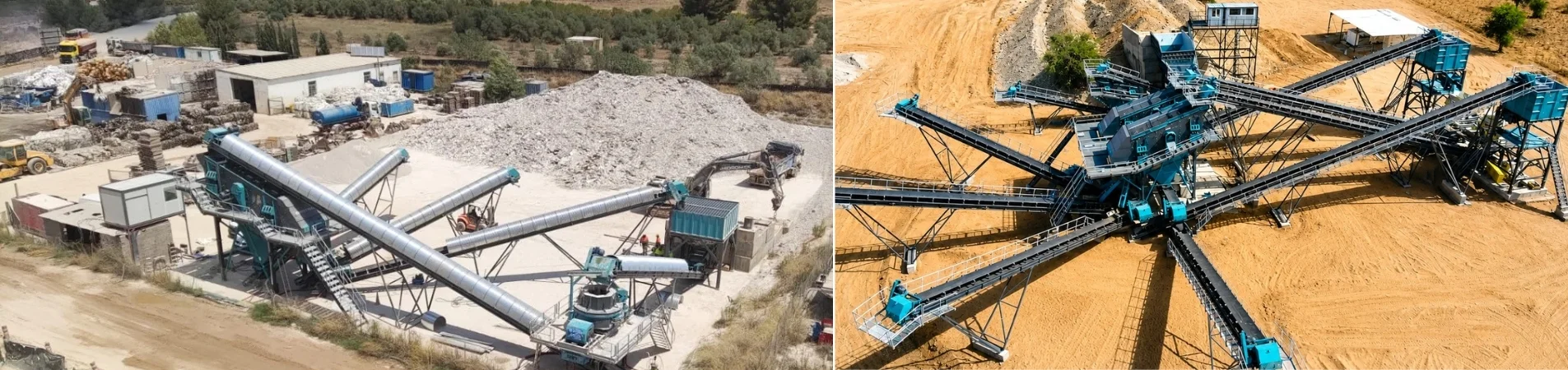
Stationary crushing plants from CONSTMACH are complete, fixed-installation crushing and screening lines engineered as a single integrated system rather than a single machine. Each plant is configured per project, combining a primary crusher, secondary crushing, optional tertiary crushing, vibrating feeders, screens, hoppers and conveyors into a continuous production flow. Capacity is determined by the project requirement and typically falls in the 100 to 1,000 t/h range, with the full configuration defined by the application rather than offered as a fixed catalogue model.

The configuration of a stationary plant is driven by four main criteria: the required production capacity, the type, hardness and abrasiveness of the feed material, the maximum size of the feed, and the number and sizes of the final product fractions. CONSTMACH application engineering confirms the suitability of the feed material, whether limestone, granite, basalt, dolomite or mining ore, and selects the crusher types accordingly. Because hard, abrasive rock and softer limestone call for different machines, the same plant footprint may be built around very different equipment from one project to the next.

The primary stage receives run-of-quarry feed, usually through a vibrating grizzly feeder that scalps fines ahead of the crusher. For hard, abrasive rock a jaw crusher is selected as the primary, reducing material by compression; for medium-hardness limestone a primary impact crusher may be used instead to gain a cubical product and a high reduction ratio. The primary crusher sets the tone of the whole plant, sizing the run-of-quarry material down to a transportable intermediate product for the stages that follow.

Secondary and optional tertiary crushers refine the primary product into the required final fractions. Secondary crushing reduces the intermediate material further, and a tertiary stage is added where finer products or manufactured sand are required. Vibrating screens between and after the crushing stages separate the material into sized fractions and return oversize to the crushers in closed circuit, while a network of conveyors moves material between feeders, crushers, screens and stockpiles. It is possible to combine different crusher types in the same configuration to match the product specification.

The final products are sized per project and commonly include concrete and asphalt aggregate grades, sub-base and, with the appropriate tertiary equipment, manufactured sand. The product range and the proportion of each fraction are set during the design stage so the plant is matched to the producer's market rather than over- or under-sized, helping to avoid the wasted capital and high operating costs that come from a poorly matched investment.

CONSTMACH designs the plant layout in 3D using its range of feeders, crushers, screens, hoppers, washers and conveyors, and equips the installation with a high-specification automation system built on SIEMENS and SCHNEIDER components and PLC control. The scope of supply includes civil works drawings, foundations, conveyor towers, stockpile pads and dust suppression provisions delivered at order. A complete stationary plant typically takes 6 to 12 months from order to first production, covering engineering, manufacturing, civil works, erection and commissioning, after which it operates as the permanent crushing and screening installation for the site.

Stationary Crushing Plants Technical Specifications

Configuration Notes

Plant ConfigurationEngineered per Project (Primary + Secondary + Optional Tertiary Crushers)
Production CapacityDetermined By Project Requirement (Typical 100-1.000 t/h Range)
Output Product RangeSized Per Project (Concrete + Asphalt Aggregate Grades, Optional Manufactured Sand)
Feed MaterialLimestone, Granite, Basalt, Dolomite or Mining Ore (CONSTMACH Application Engineering Confirms Suitability)
Civil WorksFoundations, Conveyor Towers, Stockpile Pads, Dust Suppression (CONSTMACH Supplies Drawings At Order)
Plant Lifecycle6-12 Months From Order to First Production (Engineering, Manufacturing, Civil Works, Erection, Commissioning)

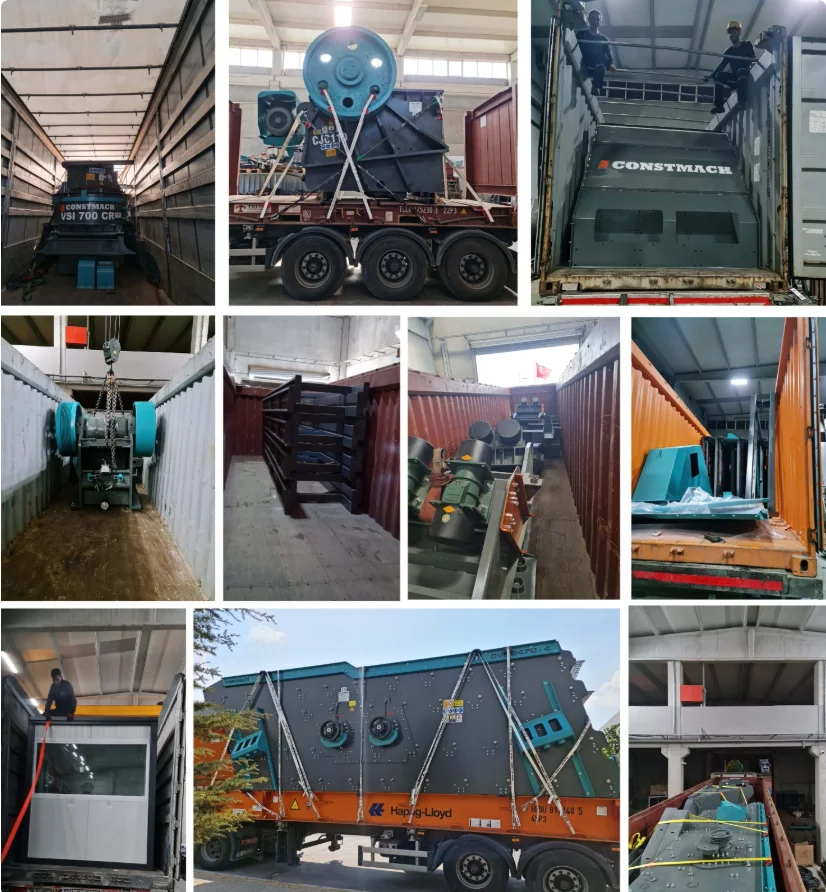
Stationary Crushing Plants Transport

transport

Stationary Crushing PlantsVideo

FAQ

A CONSTMACH stationary crushing plant is a complete, project-engineered crushing and screening installation rather than a single machine. This section explains how a plant is configured, what it produces, the industries it serves, how it is delivered and how it compares with a mobile plant.

What Is a Stationary Crushing Plant?

A stationary crushing plant is a permanent, fixed installation that takes run-of-quarry rock and turns it into sized aggregate products through a sequence of crushing and screening stages. It integrates several machine types into one continuous flow:

  • Vibrating grizzly feeder for primary feed and scalping

  • Primary crusher (jaw or primary impact, by feed type)

  • Secondary and optional tertiary crushers

  • Vibrating screens for sizing and closed-circuit return

  • Conveyors, hoppers and stockpile arrangements

How Is a Plant Configured?

Configuration is defined per project according to the required capacity (typically 100-1,000 t/h), the type, hardness and abrasiveness of the feed, the maximum feed size and the number and sizes of final fractions. CONSTMACH application engineering confirms feed suitability and selects the crusher types, and the layout is designed in 3D before manufacture.

What Products and Materials Are Involved?

Feed materials include limestone, granite, basalt, dolomite and mining ore. Output is sized per project and commonly covers concrete and asphalt aggregate grades, sub-base and, with tertiary equipment, manufactured sand. The proportion of each fraction is set during design so the plant matches the producer's market, avoiding both unsold surplus sizes and shortfalls in the most-needed grades.

Which Industries Use Stationary Plants?

  • Aggregate quarries and construction material producers

  • Concrete and asphalt production

  • Mining and mineral processing

  • Major infrastructure and road projects

Why Is the Crusher Selection so Important?

The primary crusher choice shapes the entire plant. For hard, abrasive feed such as granite or basalt, a jaw crusher is used as the primary because its compression action and replaceable manganese jaw plates handle high-strength rock at low wear cost. For medium-hardness limestone, a primary impact crusher is often preferred because impact crushing delivers a cubical product and a high reduction ratio, which can reduce or remove the need for a separate secondary stage. Selecting the wrong primary type for the feed leads to excessive wear-part cost and poor product shape, which is why CONSTMACH application engineering confirms feed suitability before configuration.

How Is a Plant Delivered and Maintained?

Scope of supply includes civil works drawings, foundations, conveyor towers, stockpile pads and dust suppression provisions at order. Delivery typically spans 6 to 12 months from order to first production, covering engineering, manufacturing, civil works, erection and commissioning. Wear-part management follows the individual machines in the line, principally the manganese steel jaw plates or impact blow bars in the crushers and the screen media, replaced on planned schedules. The PLC automation system supports monitoring of the line so faults and bottlenecks can be identified during operation.

Stationary Versus Mobile Plant

A stationary plant is a fixed installation suited to long-term production at a single site, offering high capacity, integrated automation and the lowest cost per tonne over time. A mobile plant trades some of that capacity and integration for the ability to relocate between sites. The stationary plant is the appropriate choice where the production location is fixed for the life of the operation, where capacity requirements are high, or where a wide range of final fractions must be produced in closed circuit.

Frequently Asked Questions

whatsapp gorsel 2024 01 10 saat 15 28 30 bf9fc1cb 9474
Quick Contact

Leave a request, and our expert team will as soon as possible get back to you

Fill out the form for detailed information about concrete plants, crushing-screening plants, or our other products — or contact us directly.

By leaving a request, you consent to the processing of your personal data.

or directly

What's new on Constmach

Our expert team is ready to provide a solution tailored to your project. We're just a phone call away — call us now.