New Investment in Türkiye: Stationary 160 Started Operation in Urla
 AuthorConstmachPublishedApril 20, 2026
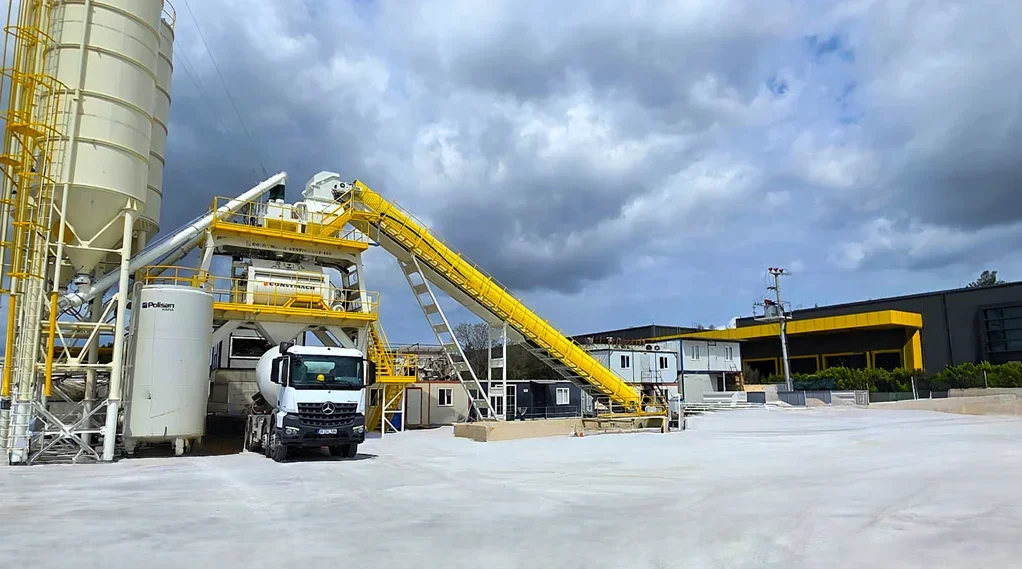
Constmach has commissioned a high-capacity Stationary 160 concrete batching plant in Urla, Türkiye, marking a significant new investment in the region. With the plant now in operation, the customer gains a powerful, permanent facility capable of supporting large-scale construction and infrastructure projects across the area.
A Major New Investment in Türkiye
The start-up of this Stationary 160 represents an important new investment in Türkiye's domestic construction sector. Urla, a coastal district of İzmir, continues to see steady development, and a high-capacity concrete plant of this scale positions the customer to meet rising local demand confidently. It also reflects the strong, continued trust Turkish producers place in Constmach technology.
High-Capacity Production
As the largest in Constmach's stationary concrete plant range, the Stationary 160 is engineered for very high output, making it ideal for major infrastructure works, large building projects and busy ready-mix operations. This substantial capacity allows the customer to serve large pours and multiple projects without interruption, helping to keep demanding construction schedules on track.
Powerful Twin-Shaft Mixing
At the heart of the plant is a large twin-shaft mixer, the configuration of choice for high-capacity batching. The twin-shaft design delivers intensive, homogeneous mixing in short cycles, producing consistent, high-quality concrete even at the plant's full output. This mixing quality is essential for the structural integrity of the major projects the plant is built to serve.
Engineered for Continuous Operation
As a stationary installation, the Stationary 160 is designed for permanent, around-the-clock duty. Its rigid steel structure, generous aggregate storage and accurate weighing systems ensure repeatable, precise batching across a wide range of concrete recipes. Every component is selected for long service life and straightforward maintenance, helping the customer minimise downtime and control operating costs.
Consistent Quality and Control
Reliable automation governs the batching sequence, giving the operator precise control over aggregates, cement, water and admixtures. This ensures consistent concrete quality from the first batch to the last and provides the documentation increasingly expected on large contracts. For a plant feeding major works, this combination of accuracy and traceability is as valuable as raw capacity.
Strengthening the Domestic Market
This installation further strengthens Constmach's strong presence in its home market, where its plants are widely used and trusted. Supplying advanced, high-capacity equipment close to home showcases the company's commitment to delivering top-tier solutions to customers everywhere. Constmach wishes its client a successful business and a long, productive service life from the Stationary 160 in Urla.
A Flagship Plant for the Region
As the largest model in Constmach's stationary range, this Stationary 160 in Urla stands as a flagship installation for the area, capable of supporting the most demanding construction and infrastructure projects. Its very high output and powerful twin-shaft mixing give the customer the capacity to serve large pours and multiple sites without interruption. Representing a significant domestic investment, the plant reflects both the customer's ambition and the continued trust Turkish producers place in Constmach's proven, high-capacity technology.
Constmach
Constmach | Concrete Plants & Crushers
The Constmach content team — sharing our 25+ years of manufacturing experience, industry trends, project cases and technical analyses with our readers.
- 25+ years of experience
- Asphalt Plant
- Cement Silo
- Concrete Block Making Machine
- Concrete Batching Plant
- Jaw Crusher
- Mobile Crushing Plant
- Mobile Concrete Batching Plant
- Stone Crusher
Other Articles You May Like
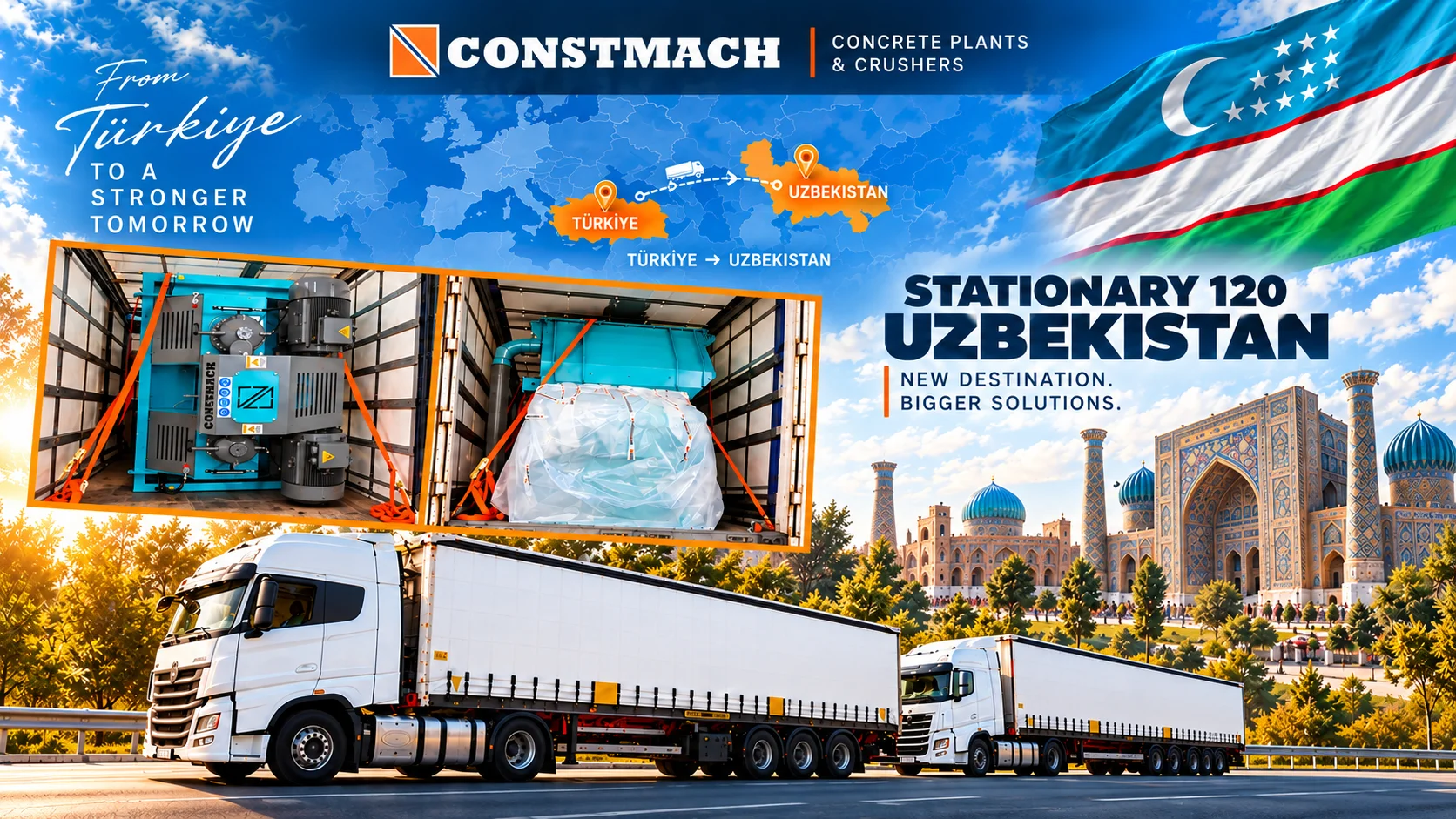
A New Country, A New Milestone: CONSTMACH Expands to Uzbekistan!
We are pleased to announce another important milestone in CONSTMACH’s international growth as Uzbekistan becomes the newest country to join our global network! We have received an order for 2 units of…
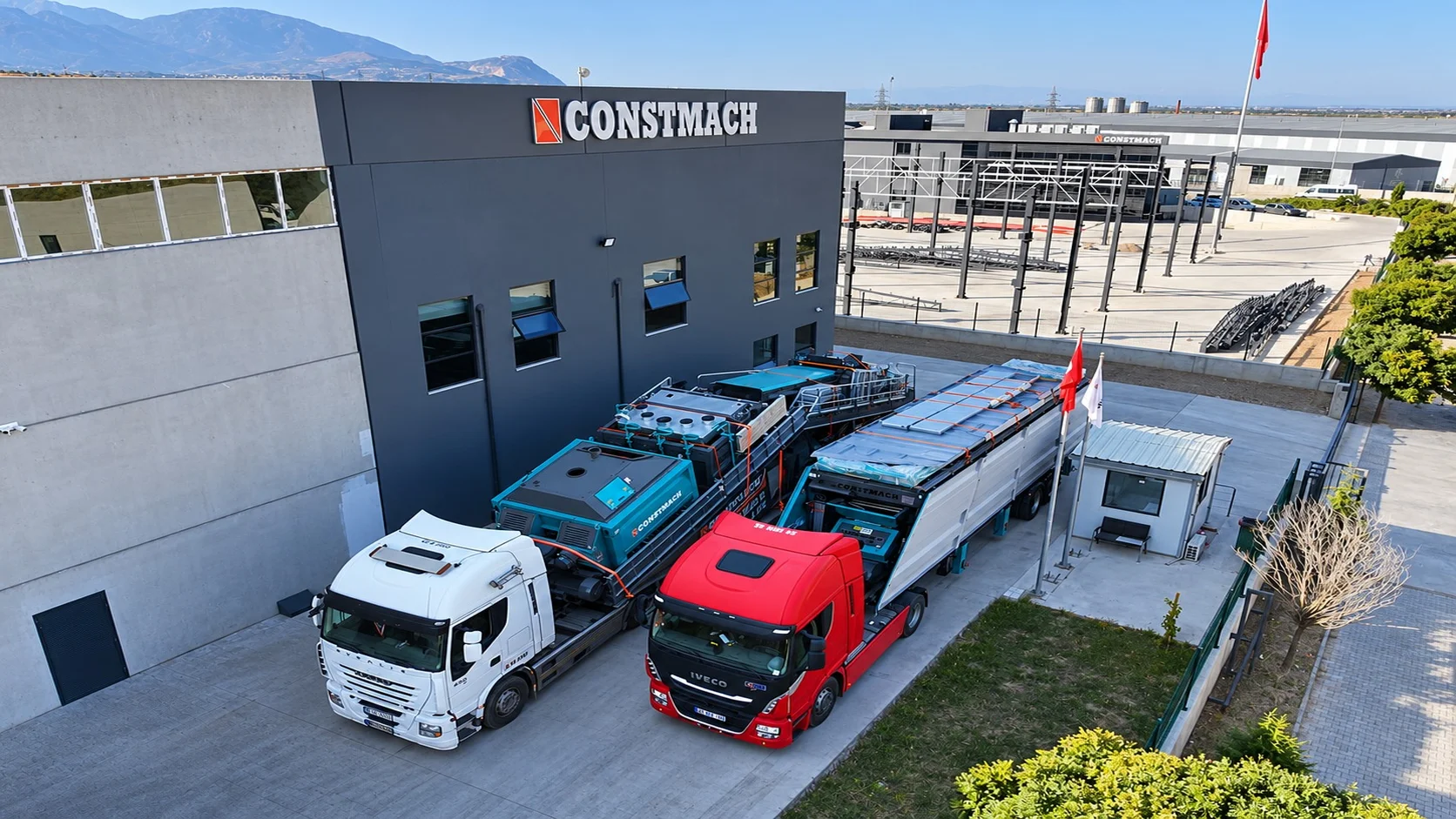
A Strong Partnership Continues: MOBILE 120 Shipment to Libya!
CONSTMACH continues to expand its strong presence in the Libyan market with the shipment of another MOBILE 120 Concrete Batching Plant, offering a production capacity of 120 m³/h. Over the years, we h…
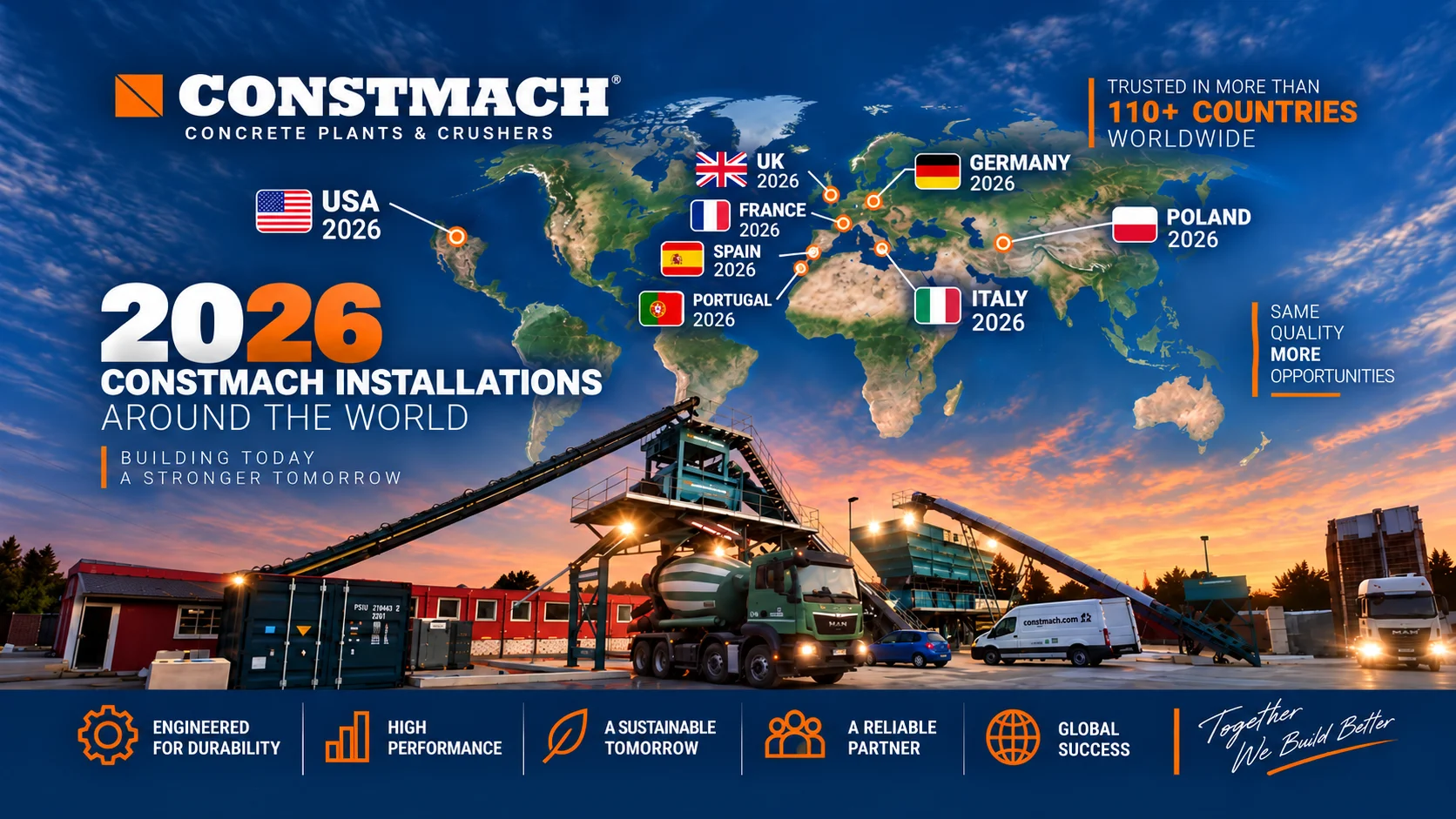
CONSTMACH Expands Its Global Presence with New Installations in 2026
2026 marks another important year for CONSTMACH as we continue to expand our international presence and deliver high-quality solutions to customers around the world. Throughout the year, customers fro…