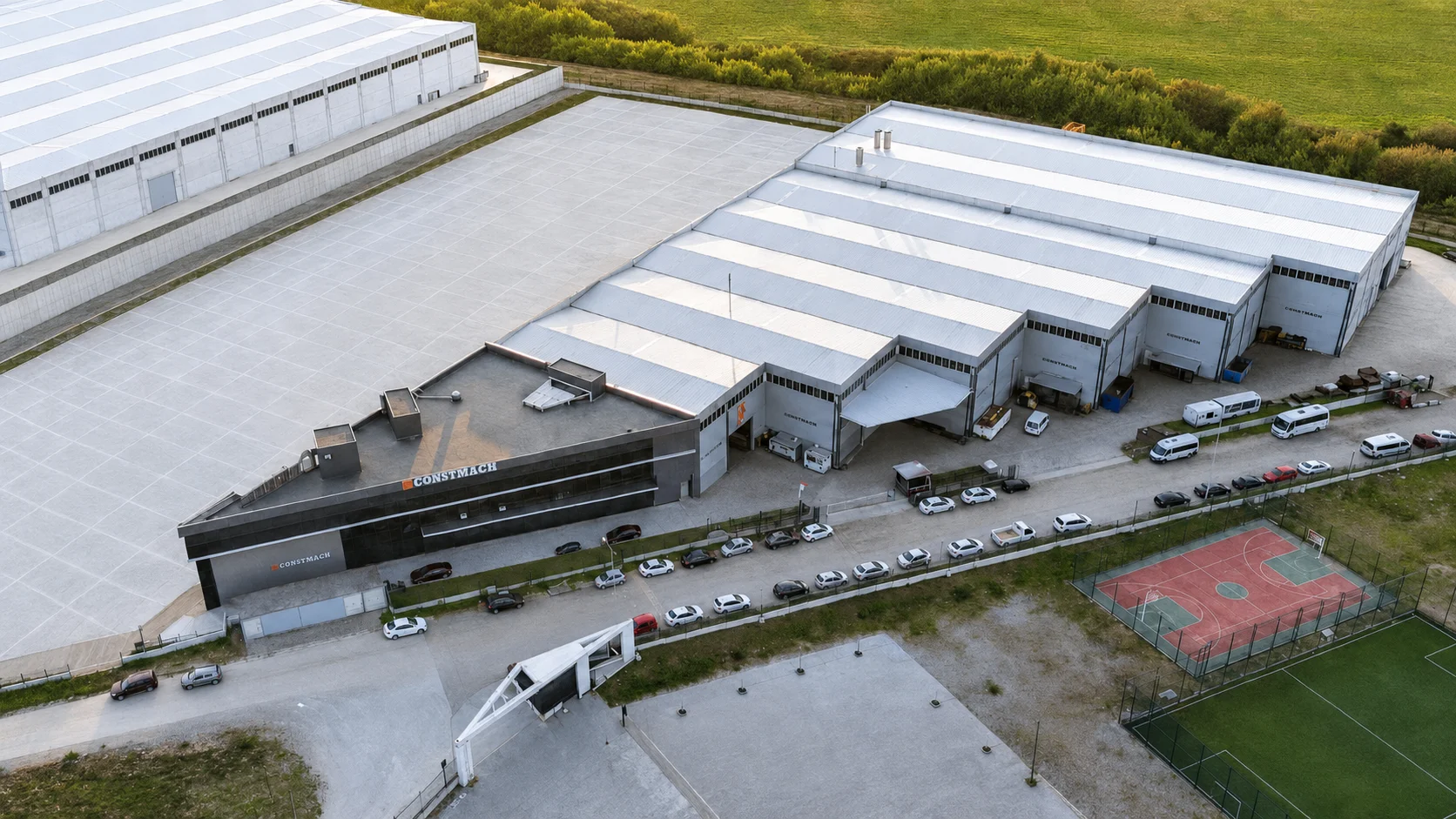
CONSTMACH JS-3 Mobile Crusher Shipped to Mongolia
 AuthorConstmachPublishedMarch 21, 2024
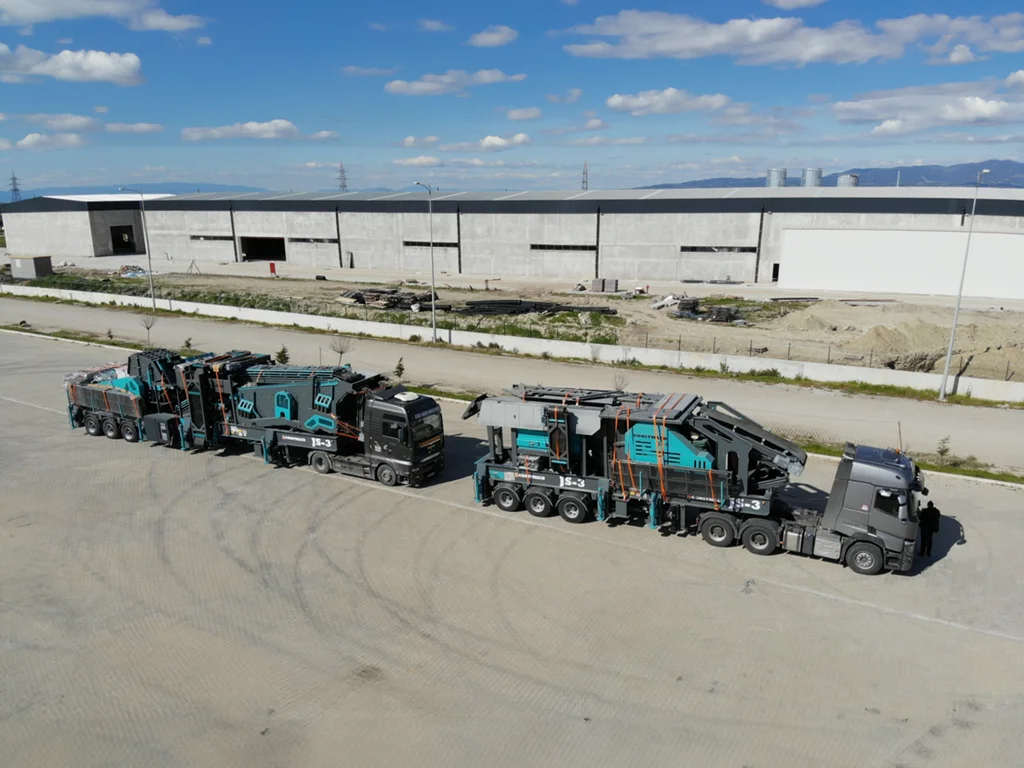
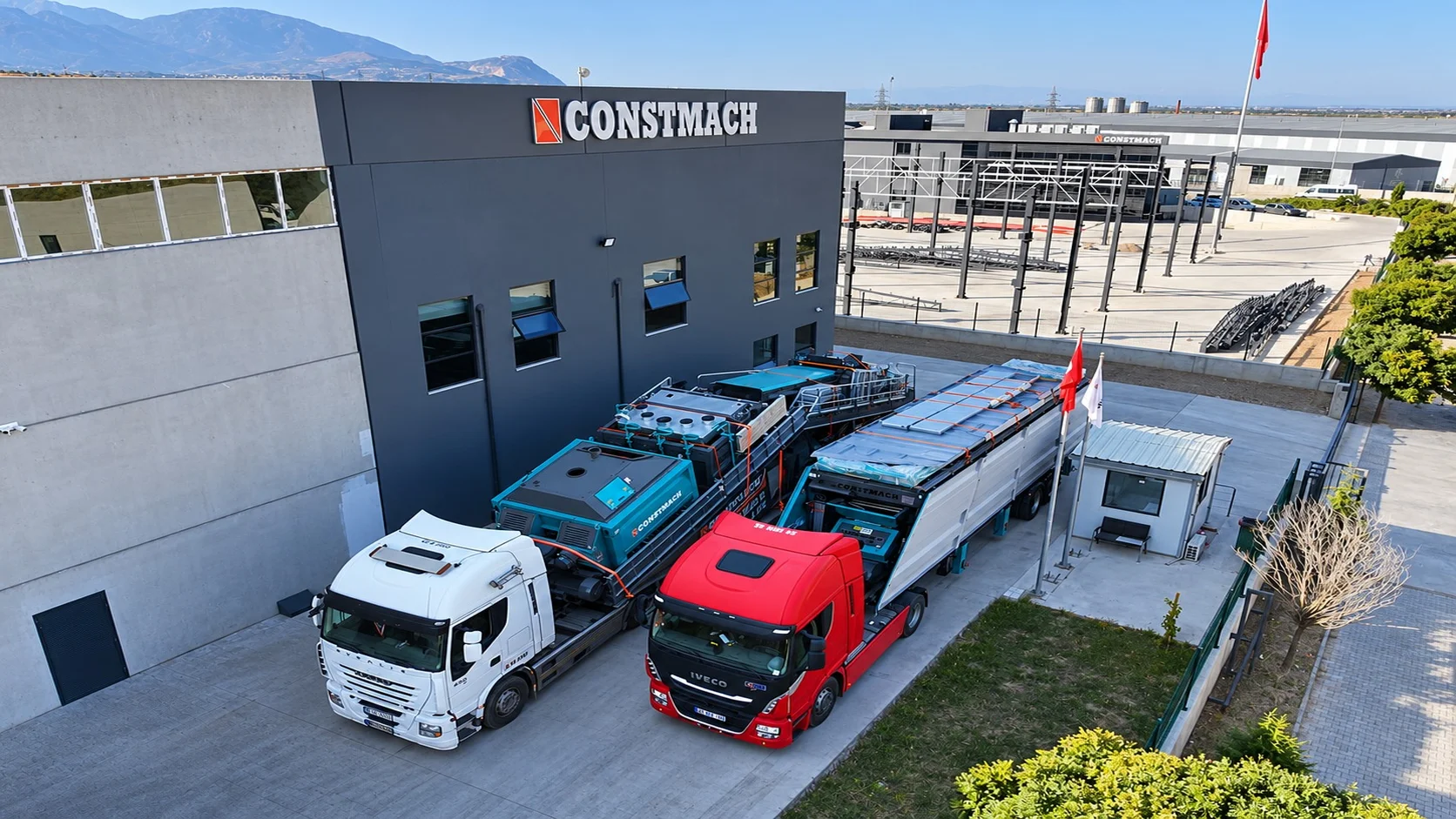
Constmach's JS-3 crusher, a mobile jaw and impact crushing plant, is set to make its mark in Mongolia's infrastructure landscape. Built across two chassis with distinct roles, the JS-3 brings primary and secondary crushing together in a versatile, transportable package. Its dispatch to Mongolia reflects the growing demand for robust, mobile crushing solutions capable of supporting the country's expanding development needs.
Powerful Primary Crushing
The first chassis of the JS-3 features the CJC-110 jaw crusher, capable of producing between 150 and 420 tons per hour. As the primary stage of the plant, this jaw crusher lays a solid foundation for the crushing process, handling large feed material with strength and reliability. For operators in Mongolia, this primary capacity ensures the plant can tackle demanding raw materials and high throughput from the outset.
Efficient Secondary Crushing
Complementing the primary stage, the second chassis hosts the CSI-1215 secondary impact crusher, with a production capacity ranging from 300 to 350 tons per hour. This crusher refines the material from the primary stage, shaping and reducing it to produce well-graded aggregates. The pairing of jaw and impact crushing across the two chassis gives the JS-3 a complete crushing line in a single mobile system, well suited to varied project requirements.
Integrated Screening
The JS-3 also comes equipped with the CVS-2060, a three-deck vibrating screen capable of handling 192 to 240 tons per hour. This screen separates the crushed material into precise size fractions, enhancing the screening process and ensuring the final products meet specification. By integrating screening into the plant, the JS-3 delivers finished, sized aggregates directly, streamlining production for operators in Mongolia.
Versatile Two-Chassis Design
With its two-chassis configuration, the JS-3 offers a versatile design that adapts to a range of materials and job sites. Each chassis carries its own crushing capability, allowing the plant to deliver a full crushing and screening sequence while remaining mobile. This flexibility is a significant advantage in Mongolia, where projects may be spread across diverse and remote locations that demand adaptable equipment.
Robust Capacity for Demanding Work
The combined capacities of the CJC-110, CSI-1215 and CVS-2060 give the JS-3 the strength to support substantial crushing operations. This robust performance helps operators meet the high throughput required for infrastructure and aggregate production. Built to endure continuous, demanding use, the plant is well prepared for the challenging conditions often encountered on Mongolian sites.
Supporting Mongolia's Infrastructure
As the JS-3 makes its way to Mongolia, it promises to strengthen crushing operations and support the country's infrastructure development. By delivering a capable, mobile crushing and screening solution, Constmach reinforces its commitment to meeting the needs of operators in demanding markets. Constmach looks forward to supporting the customer as the JS-3 contributes to construction and aggregate production across Mongolia.
Constmach
Constmach | Concrete Plants & Crushers
The Constmach content team — sharing our 25+ years of manufacturing experience, industry trends, project cases and technical analyses with our readers.
- 25+ years of experience
- Asphalt Plant
- Cement Silo
- Concrete Block Making Machine
- Concrete Batching Plant
- Jaw Crusher
- Mobile Crushing Plant
- Mobile Concrete Batching Plant
- Stone Crusher
Other Articles You May Like
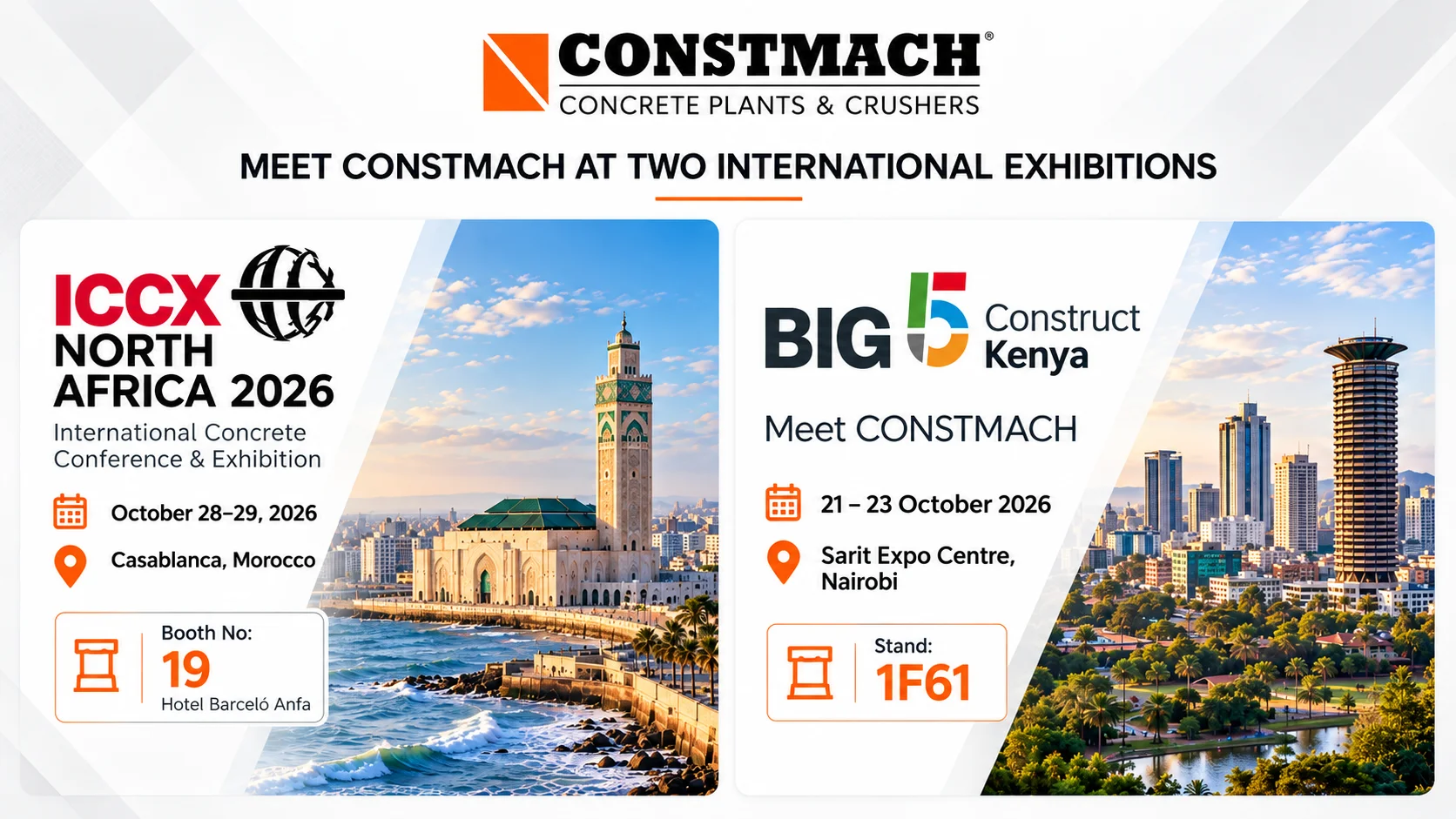
CONSTMACH at Two Major International Exhibitions in October 2026!
CONSTMACH at Two Major International Exhibitions in October 2026! October will be an exciting month for CONSTMACH as we prepare to participate in two important international exhibitions in Kenya and M…
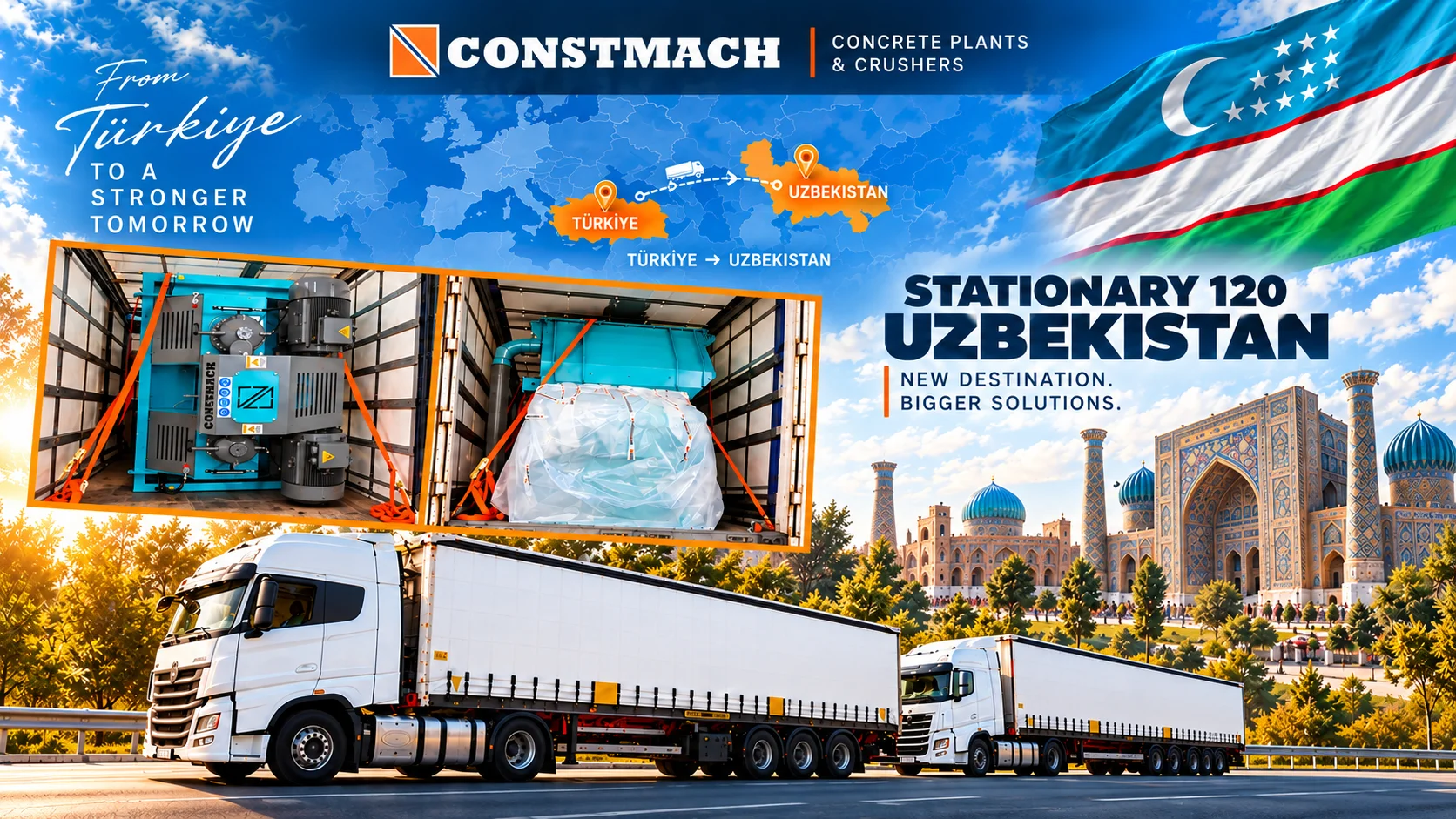
A New Country, A New Milestone: CONSTMACH Expands to Uzbekistan!
We are pleased to announce another important milestone in CONSTMACH’s international growth as Uzbekistan becomes the newest country to join our global network! We have received an order for 2 units of…
A Strong Partnership Continues: MOBILE 120 Shipment to Libya!
CONSTMACH continues to expand its strong presence in the Libyan market with the shipment of another MOBILE 120 Concrete Batching Plant, offering a production capacity of 120 m³/h. Over the years, we h…