CONSTMACH Successfully Commissions FIX JCC 3 Stationary Crushing and Screening Plant in Benin
 AuthorConstmachPublishedJuly 18, 2023
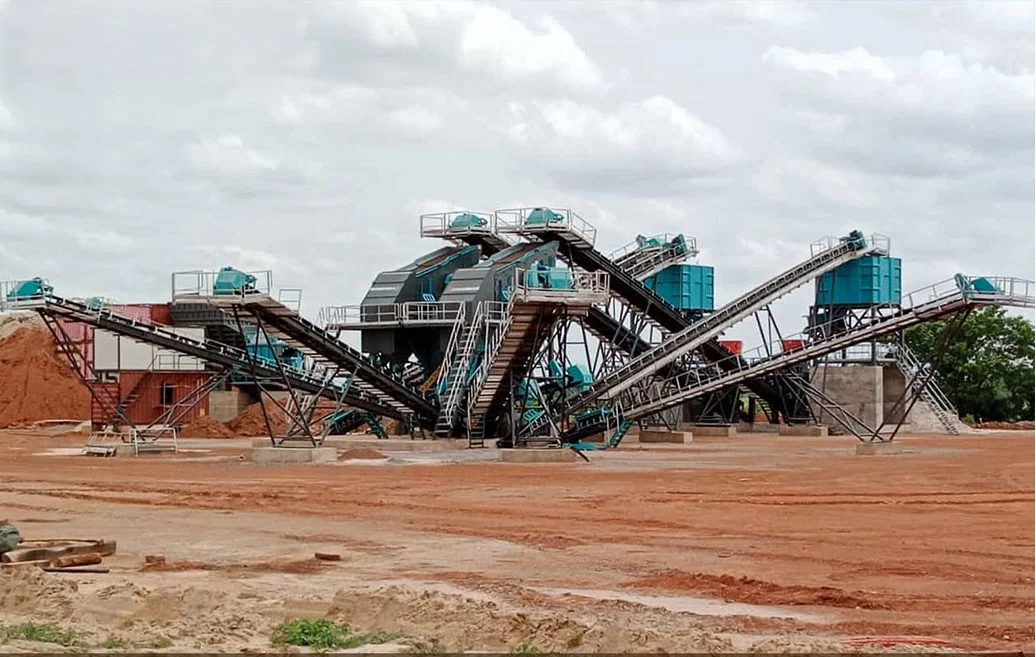
CONSTMACH has successfully completed the installation and commissioning of its FIX JCC 3 Stationary Crushing and Screening Plant in Nigeria, marking another important milestone in the company's expanding operations across Africa. Built for continuous, high-capacity aggregate production, the plant is now supplying premium-quality crushed stone for infrastructure developments, highway construction, and various industrial projects throughout the country.
Designed Around Customer Requirements
Every crushing and screening project has unique demands, and CONSTMACH develops each solution accordingly. Rather than offering a one-size-fits-all approach, the FIX JCC 3 is configured to match the customer's required production capacity, material characteristics, and final product specifications. This engineering philosophy ensures efficient operation, high productivity, and dependable long-term performance.
Engineered for High-Performance Aggregate Production
CONSTMACH stationary crushing plants are available in production capacities ranging from 50 to 1,000 tph, allowing customers to select the most suitable solution for their operations. During the design stage, engineers evaluate the hardness and abrasiveness of the raw material, feed dimensions, required output fractions, and overall project objectives to create a plant that delivers consistent production with optimized operating efficiency.
Advanced Crushing Technology
The FIX JCC 3 integrates modern crushing and screening equipment to achieve excellent material quality while maintaining reliable production. Depending on project requirements, CONSTMACH plants can be equipped with different crusher combinations, including jaw crushers for primary crushing, cone crushers for secondary stages, impact crushers for high reduction ratios, or VSI crushers for premium cubic aggregates. This flexible design approach enables operators to achieve the desired product quality across a wide range of applications.nts.
Constmach
Constmach | Concrete Plants & Crushers
The Constmach content team — sharing our 25+ years of manufacturing experience, industry trends, project cases and technical analyses with our readers.
- 25+ years of experience
- Asphalt Plant
- Cement Silo
- Concrete Block Making Machine
- Concrete Batching Plant
- Jaw Crusher
- Mobile Crushing Plant
- Mobile Concrete Batching Plant
- Stone Crusher
Other Articles You May Like
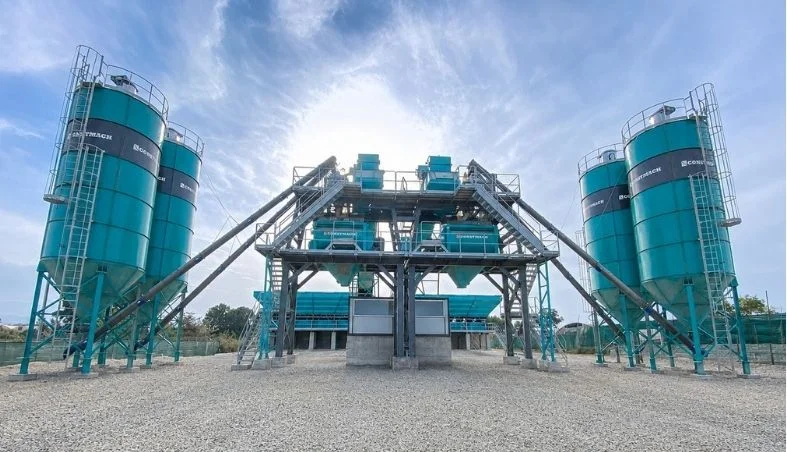
CONSTMACH Shipped 12 Concrete Batching Plants to Algeria in Just a Few Months, Including a 240 m³/h Stationary Plant
A new milestone has been added to CONSTMACH’s growing track record in Algeria with the successful delivery of another high-capacity concrete production solution. Our latest installation, a high-capaci…
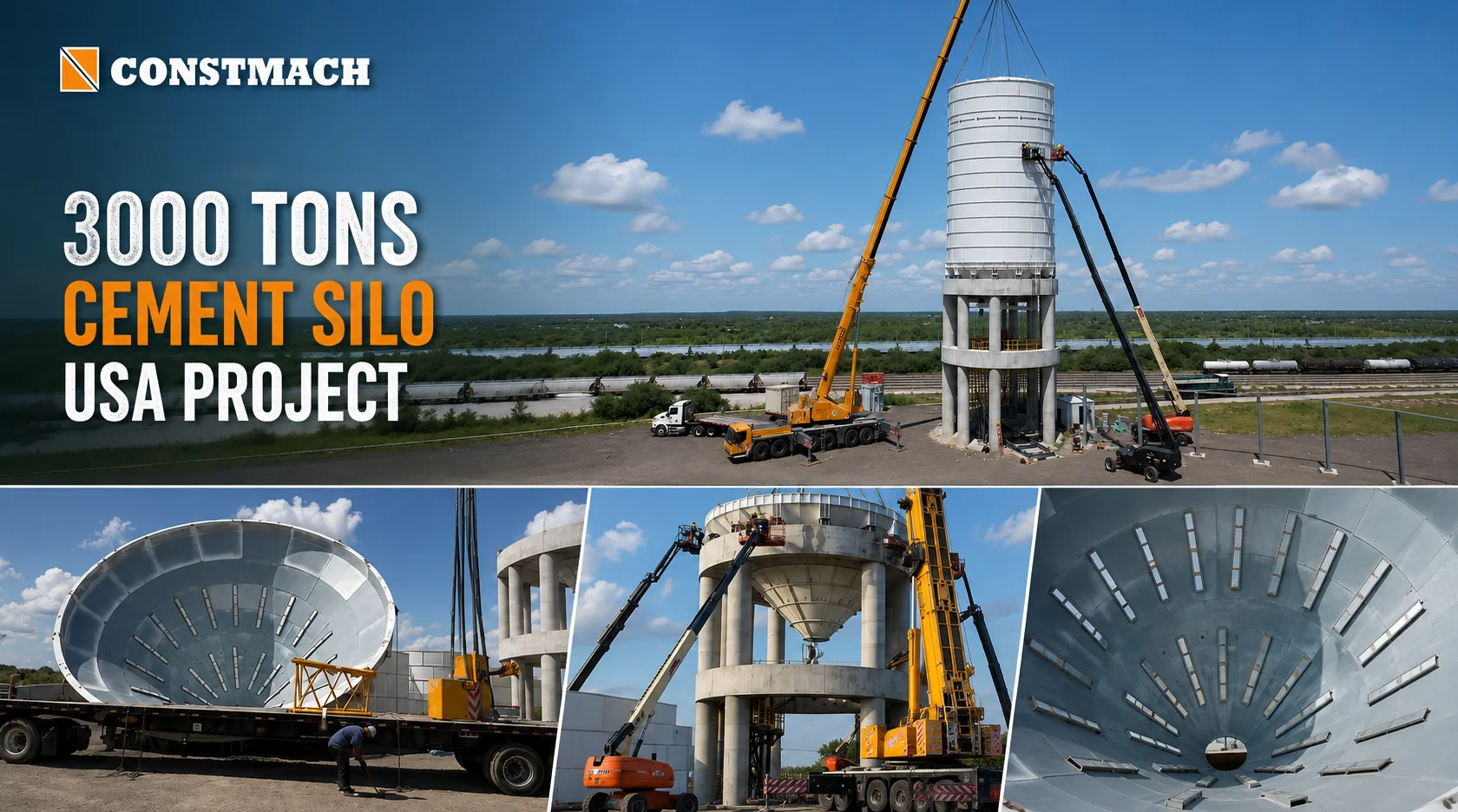
3000-Tons Cement Silo Project Taking Shape in the USA
CONSTMACH continues to strengthen its presence in international markets with another major project currently under installation in the United States. Our CS-3000 bolted-type cement silo, with an impre…
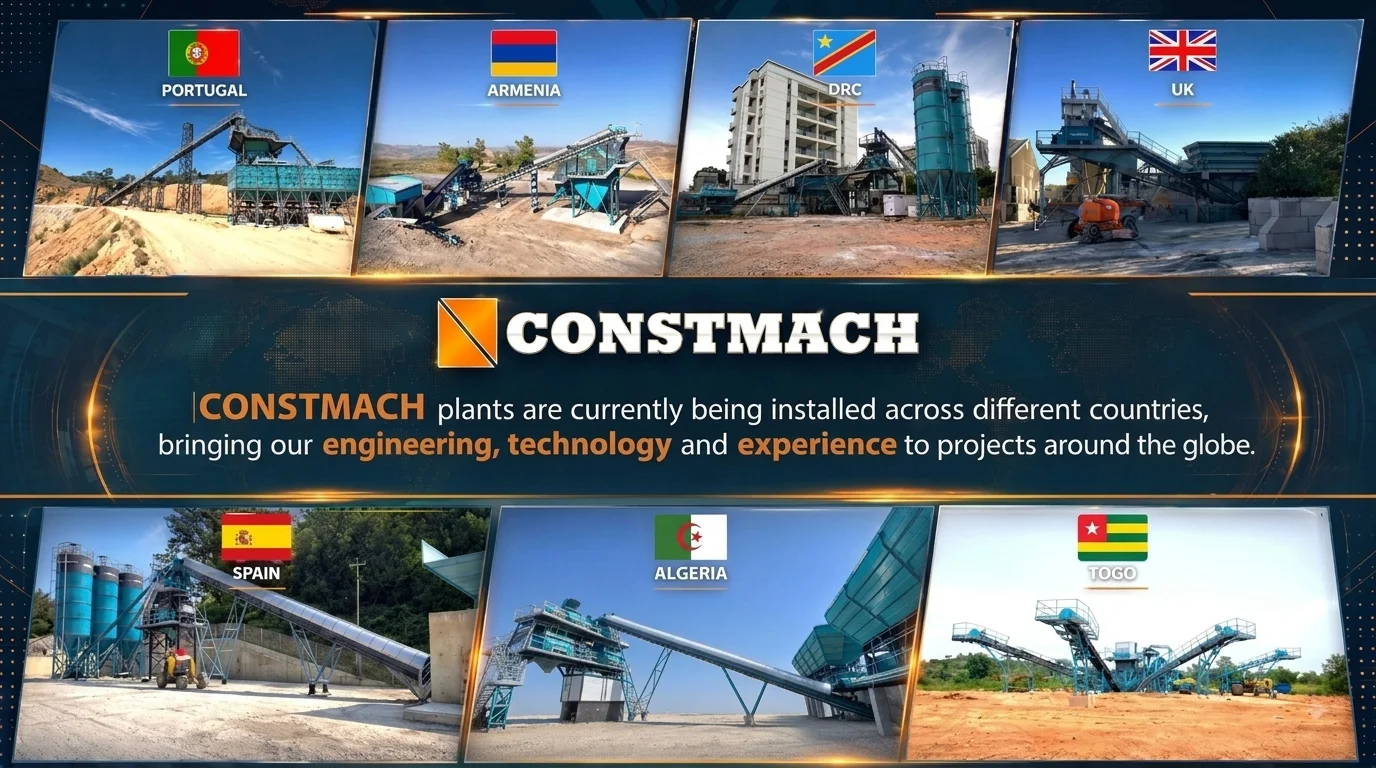
From Türkiye to the World: CONSTMACH Builds Success Across Borders
A new industrial investment begins with the right technology, strong engineering and a reliable partner. Today, CONSTMACH brings these values to projects in many different parts of the world. Our plan…