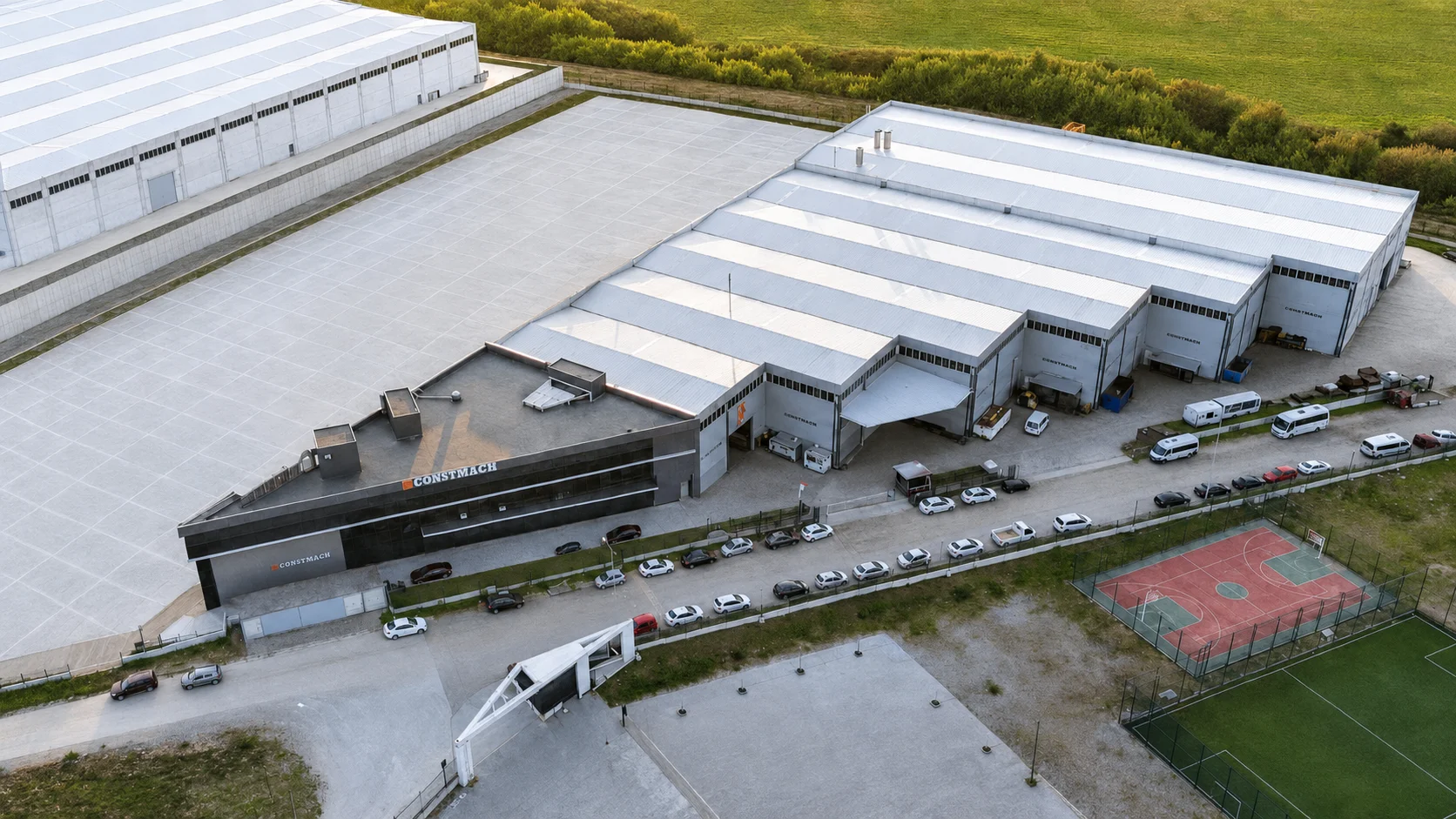
400 tph Stationary Crushing and Screening Plant Commissioned in Paraguay
 AuthorConstmachPublishedSeptember 12, 2023
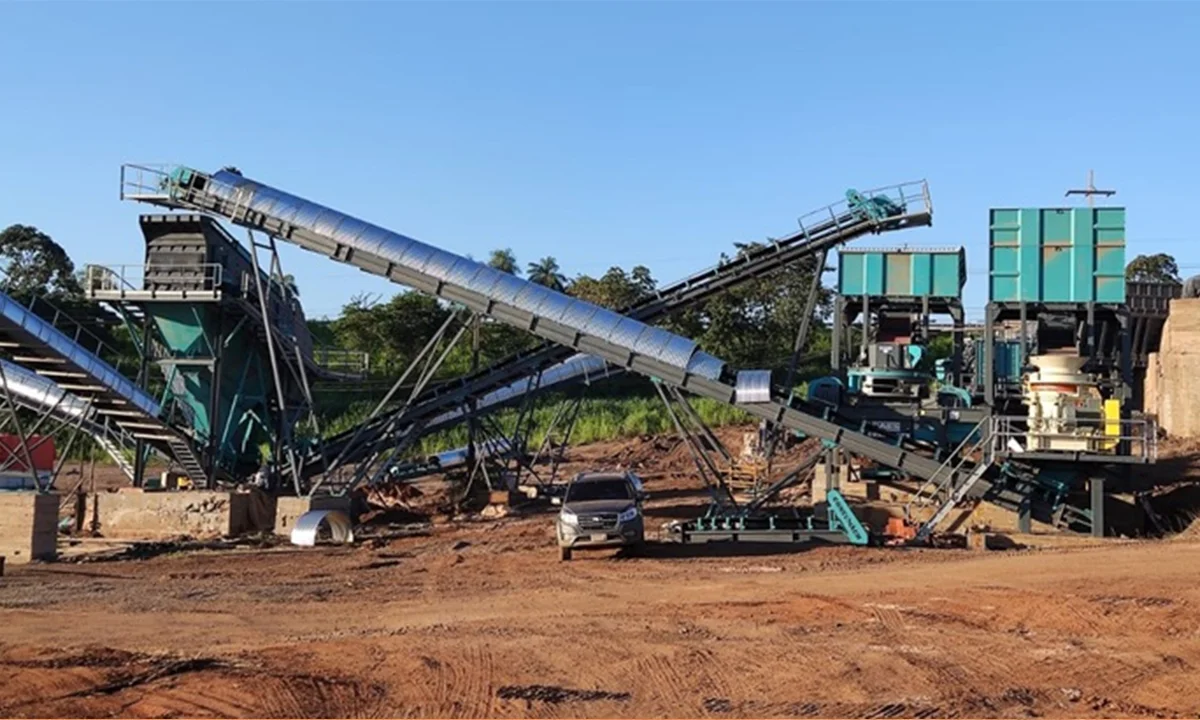
Constmach has taken a 400 tph stationary crushing and screening plant into operation for a customer in Paraguay. The plant combines a primary jaw crusher, a secondary Metso cone crusher, and a tertiary vertical shaft impact crusher in a complete three-stage configuration. Installation is finished, trial production has been completed, and the operator has been trained to run the plant correctly.
A Complete Three-Stage Plant
This installation delivers a full crushing and screening line capable of producing 400 tonnes per hour. By bringing primary, secondary, and tertiary crushing together in one fixed plant, it covers the entire reduction process from raw feed to finished aggregate. A complete three-stage layout gives the Paraguayan customer the ability to produce a range of well-graded products from a single, integrated operation.
Primary Jaw Crushing
The first stage is handled by a primary jaw crusher, which reduces large, hard rock to a manageable size for downstream processing. Jaw crushers are prized for their robustness and high reduction ratio, making them the dependable starting point of any aggregate line. By breaking down blasted feed efficiently, this stage sets the foundation for consistent throughput across the rest of the plant and keeps material flowing smoothly to the secondary and tertiary stages that follow.
Secondary Cone Crushing
A secondary Metso cone crusher carries out the next stage of reduction. Cone crushers excel at producing well-shaped intermediate product with good control over particle size. Pairing the plant with a respected cone crusher supports reliable performance and high-quality output, helping the customer meet the gradation requirements typical of construction and concrete aggregates.
Tertiary VSI for Fine Shaping
The third stage uses a vertical shaft impact crusher to refine and shape the final product. VSI crushers are especially effective at producing cubical, well-shaped sand and fine aggregate, which command premium value in concrete and asphalt applications. This tertiary stage allows the operator to produce high-quality finished material directly from the plant.
Installed, Tested, and Ready
The plant has been fully installed and put through trial production, confirming that all stages work together as intended. Completing trial runs before handover gives the customer assurance that the line performs reliably under real conditions. With commissioning finished, the plant is ready to deliver steady aggregate production for the operation.
Operator Training and Support
Constmach has trained the operator to run the plant properly, an essential step in achieving long-term performance and safety. Proper training helps the customer maximise output, maintain equipment, and avoid costly errors. This commissioning underlines Constmach's commitment to supporting customers in Paraguay with complete solutions backed by hands-on guidance and dependable after-sales service.
Constmach
Constmach | Concrete Plants & Crushers
The Constmach content team — sharing our 25+ years of manufacturing experience, industry trends, project cases and technical analyses with our readers.
- 25+ years of experience
- Asphalt Plant
- Cement Silo
- Concrete Block Making Machine
- Concrete Batching Plant
- Jaw Crusher
- Mobile Crushing Plant
- Mobile Concrete Batching Plant
- Stone Crusher
Other Articles You May Like
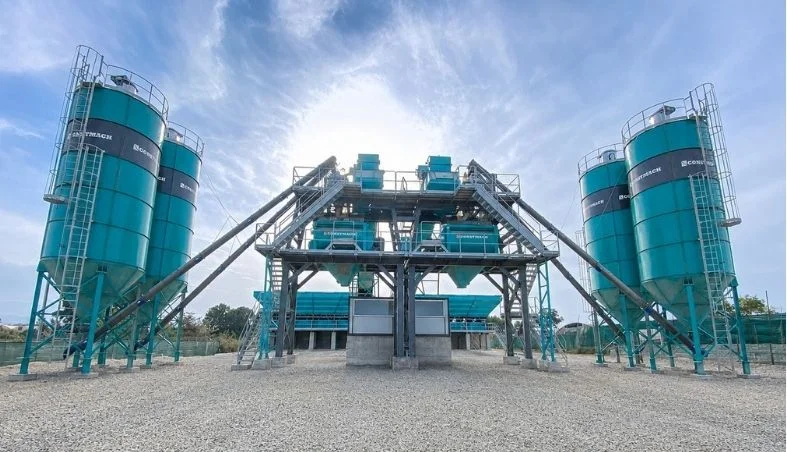
CONSTMACH Shipped 12 Concrete Batching Plants to Algeria in Just a Few Months, Including a 240 m³/h Stationary Plant
A new milestone has been added to CONSTMACH’s growing track record in Algeria with the successful delivery of another high-capacity concrete production solution. Our latest installation, a high-capaci…
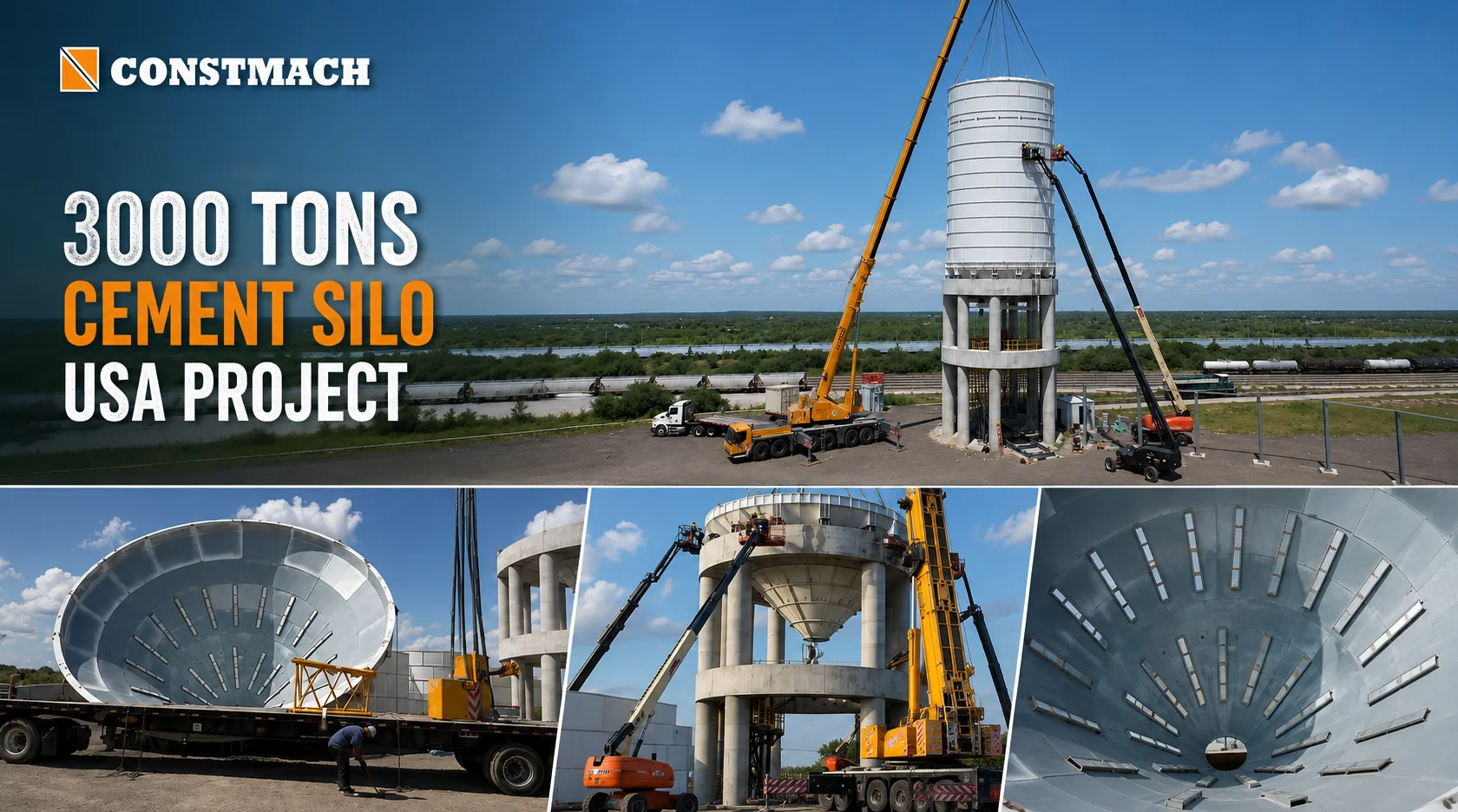
3000-Tons Cement Silo Project Taking Shape in the USA
CONSTMACH continues to strengthen its presence in international markets with another major project currently under installation in the United States. Our CS-3000 bolted-type cement silo, with an impre…
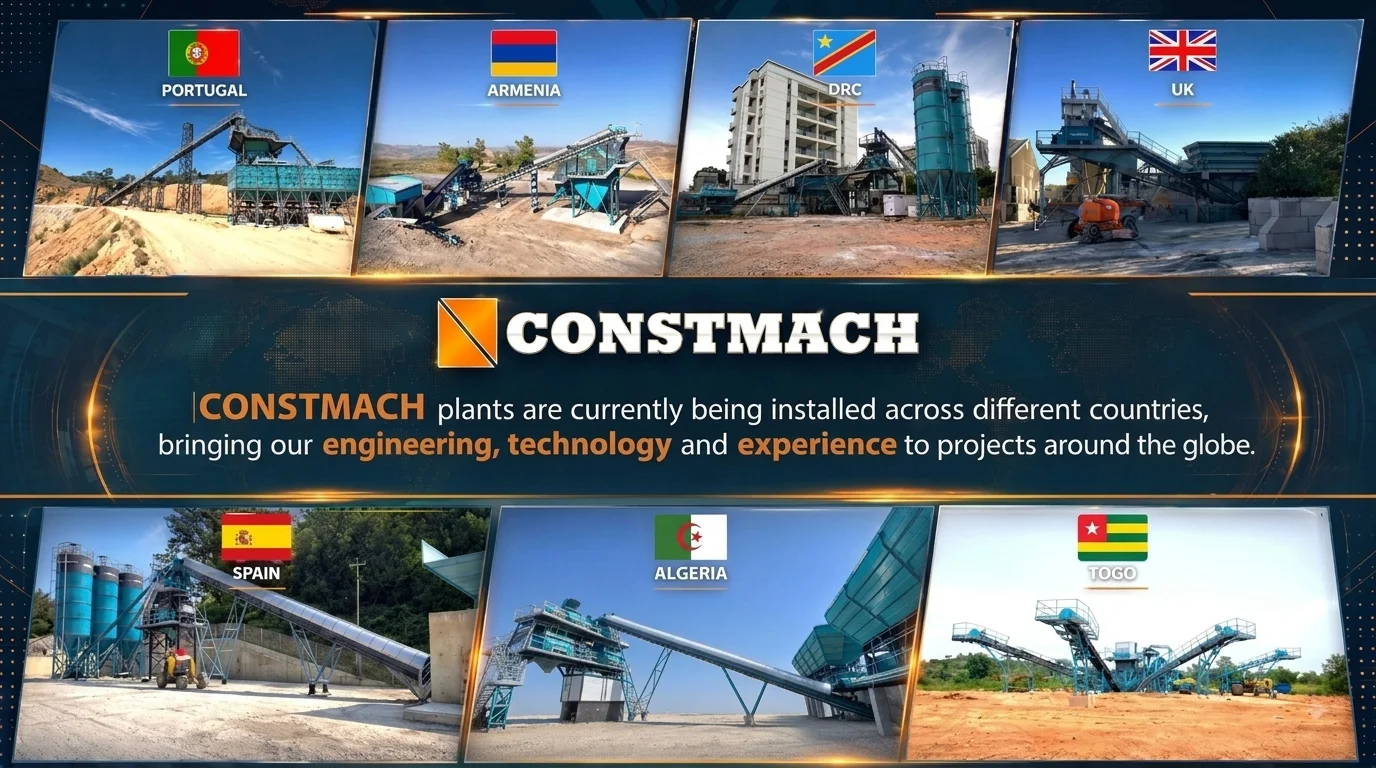
From Türkiye to the World: CONSTMACH Builds Success Across Borders
A new industrial investment begins with the right technology, strong engineering and a reliable partner. Today, CONSTMACH brings these values to projects in many different parts of the world. Our plan…