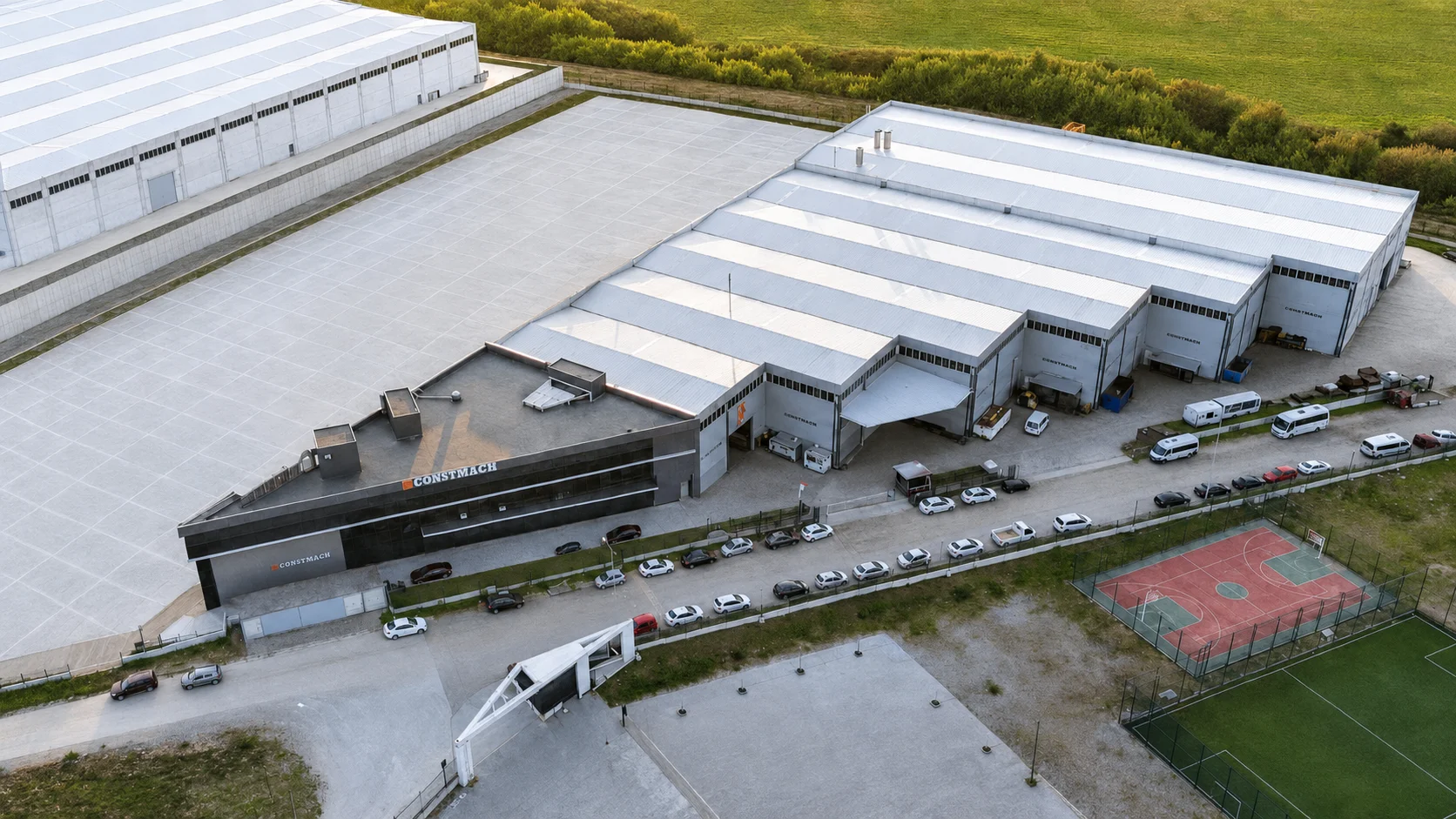
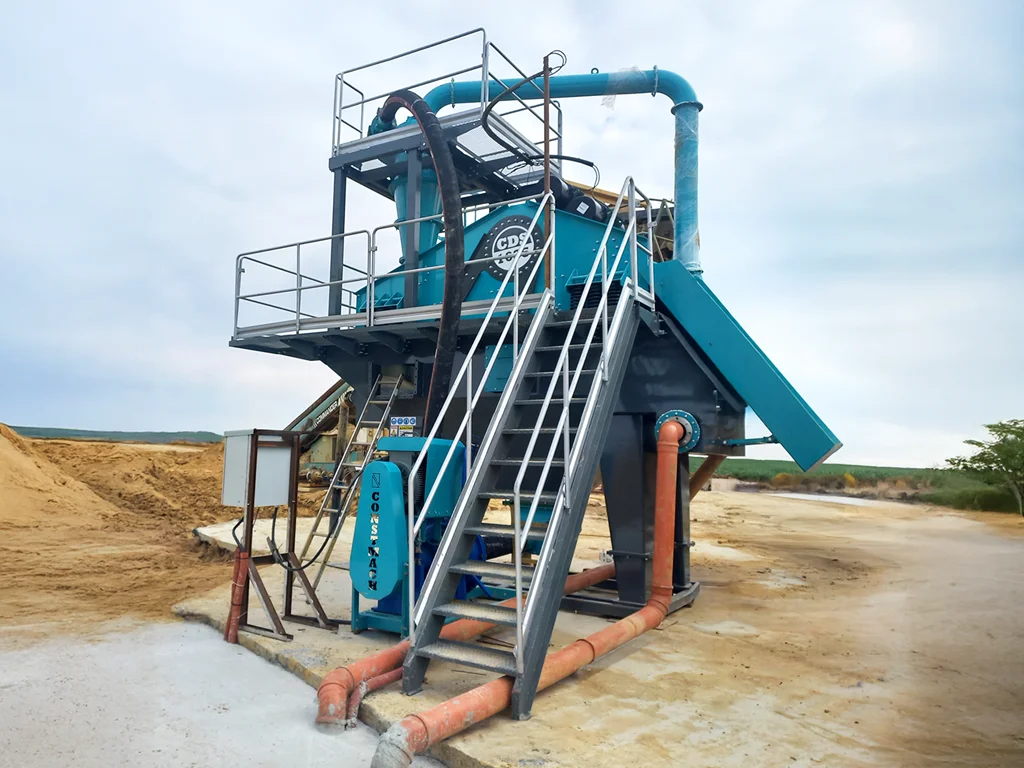
CONSTMACH CDS-1635 Dewatering Screen and Hydrocyclone Installed in Bulgaria
 AuthorConstmachPublishedFebruary 11, 2025
Constmach has successfully completed the installation of its CDS-1635 dewatering screen and hydrocyclone system in Bulgaria, enhancing the region's aggregate processing capabilities. Combining advanced hydrocyclone technology with a high-performance dewatering screen, the CDS-1635 is engineered to deliver efficient dewatering and fine material recovery in sand and gravel washing operations across the European market.
Efficient Dewatering and Recovery
The CDS-1635 is designed to deliver efficient dewatering and fine material recovery in sand and gravel washing operations. By drawing valuable fine particles back from the water stream, the system helps operators recover saleable material that might otherwise be lost. For the Bulgarian customer, this means greater product yield and improved returns from the same volume of raw feed.
150 Tonnes per Hour Capacity
With an impressive production capacity of 150 tons per hour, the CDS-1635 is well suited to high-throughput washing operations. This level of capacity allows the customer to process substantial volumes of sand and gravel efficiently, supporting steady supply to construction and concrete production. The plant's output makes it a productive addition to Bulgaria's growing aggregate processing sector.
Advanced Hydrocyclone Technology
The system combines advanced hydrocyclone technology with a high-performance dewatering screen to achieve precise separation of fine material. The hydrocyclone classifies and recovers fines accurately, while the dewatering screen removes excess water from the product. Together they ensure clean, well-graded material is produced, meeting the quality requirements of demanding concrete and construction applications.
Reducing Water Loss
A key strength of the CDS-1635 is its ability to minimise water loss and maximise material output. By managing water effectively within the washing process, the system supports recirculation and reduces overall consumption. This is increasingly important as operators across Europe seek to operate more sustainably, and it helps the Bulgarian customer lower running costs while protecting valuable water resources.
Sustainable, Efficient Operation
The CDS-1635 is built to deliver superior operational efficiency alongside environmental sustainability. As demand for sustainable and efficient equipment grows across Europe, systems that combine high output with responsible water management are becoming essential. The plant gives the customer a way to meet rising production needs while maintaining a strong commitment to environmental performance.
Supporting Mineral Processing in Bulgaria
This installation underscores Constmach's commitment to providing advanced solutions for mineral processing and water management. By supplying reliable, innovative machinery tailored to the needs of the industry, Constmach continues to support its partners across Europe. The company aims to remain a dependable long-term partner for Bulgarian operators as demand for efficiently processed, high-quality aggregate continues to grow throughout the region.
Constmach
Constmach | Concrete Plants & Crushers
The Constmach content team — sharing our 25+ years of manufacturing experience, industry trends, project cases and technical analyses with our readers.
- 25+ years of experience
- Asphalt Plant
- Cement Silo
- Concrete Block Making Machine
- Concrete Batching Plant
- Jaw Crusher
- Mobile Crushing Plant
- Mobile Concrete Batching Plant
- Stone Crusher
Other Articles You May Like
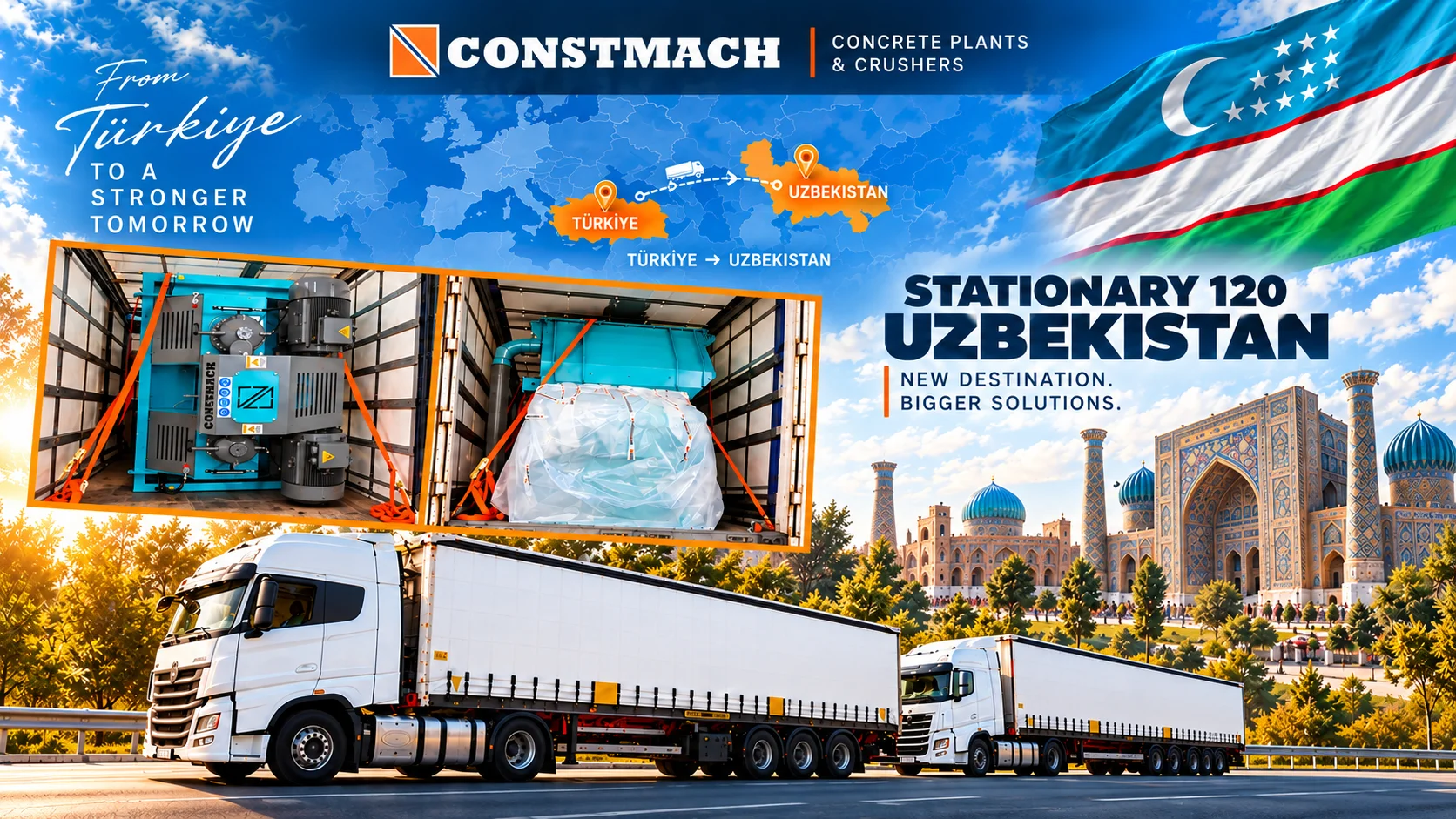
A New Country, A New Milestone: CONSTMACH Expands to Uzbekistan!
We are pleased to announce another important milestone in CONSTMACH’s international growth as Uzbekistan becomes the newest country to join our global network! We have received an order for 2 units of…
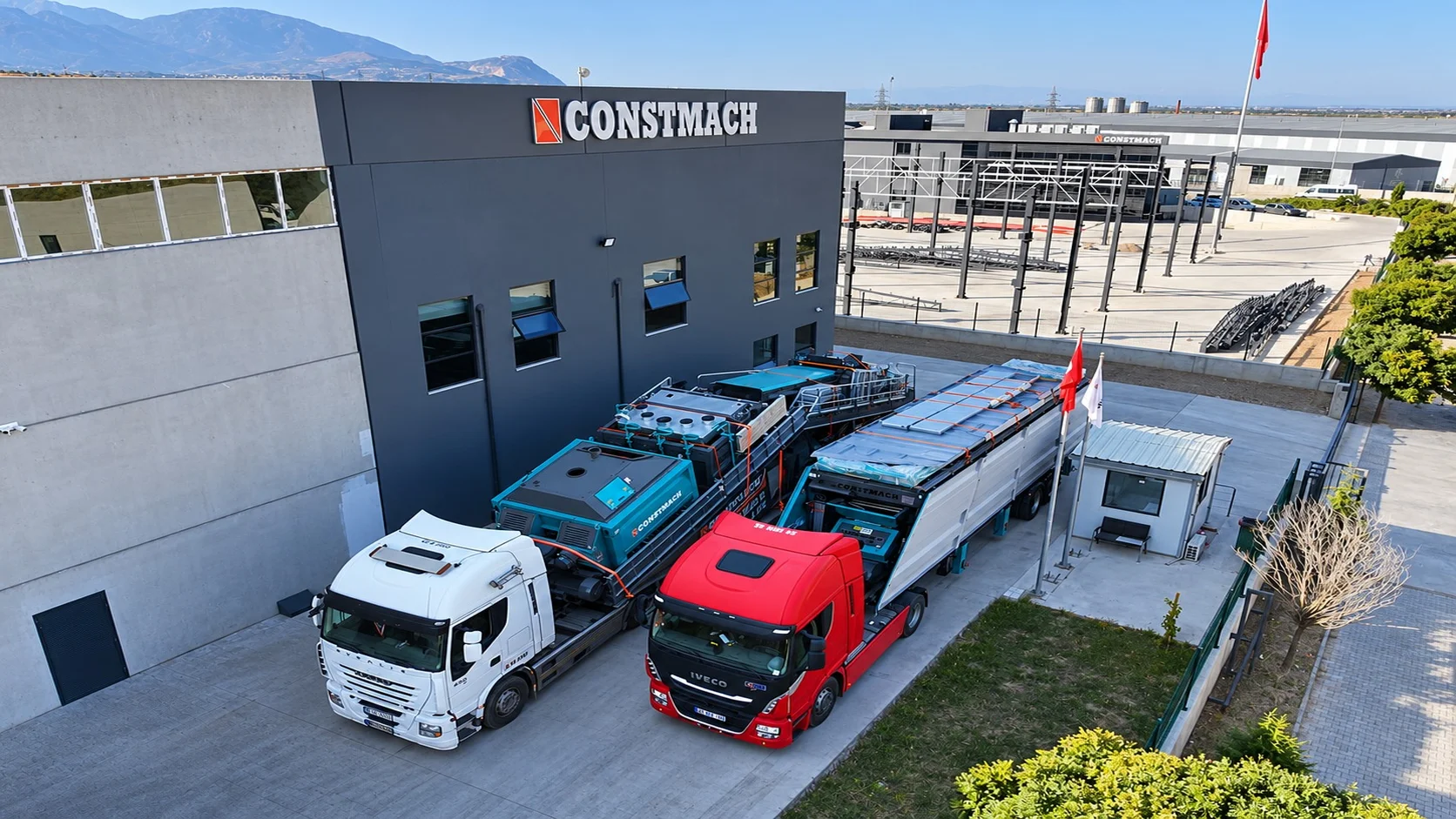
A Strong Partnership Continues: MOBILE 120 Shipment to Libya!
CONSTMACH continues to expand its strong presence in the Libyan market with the shipment of another MOBILE 120 Concrete Batching Plant, offering a production capacity of 120 m³/h. Over the years, we h…
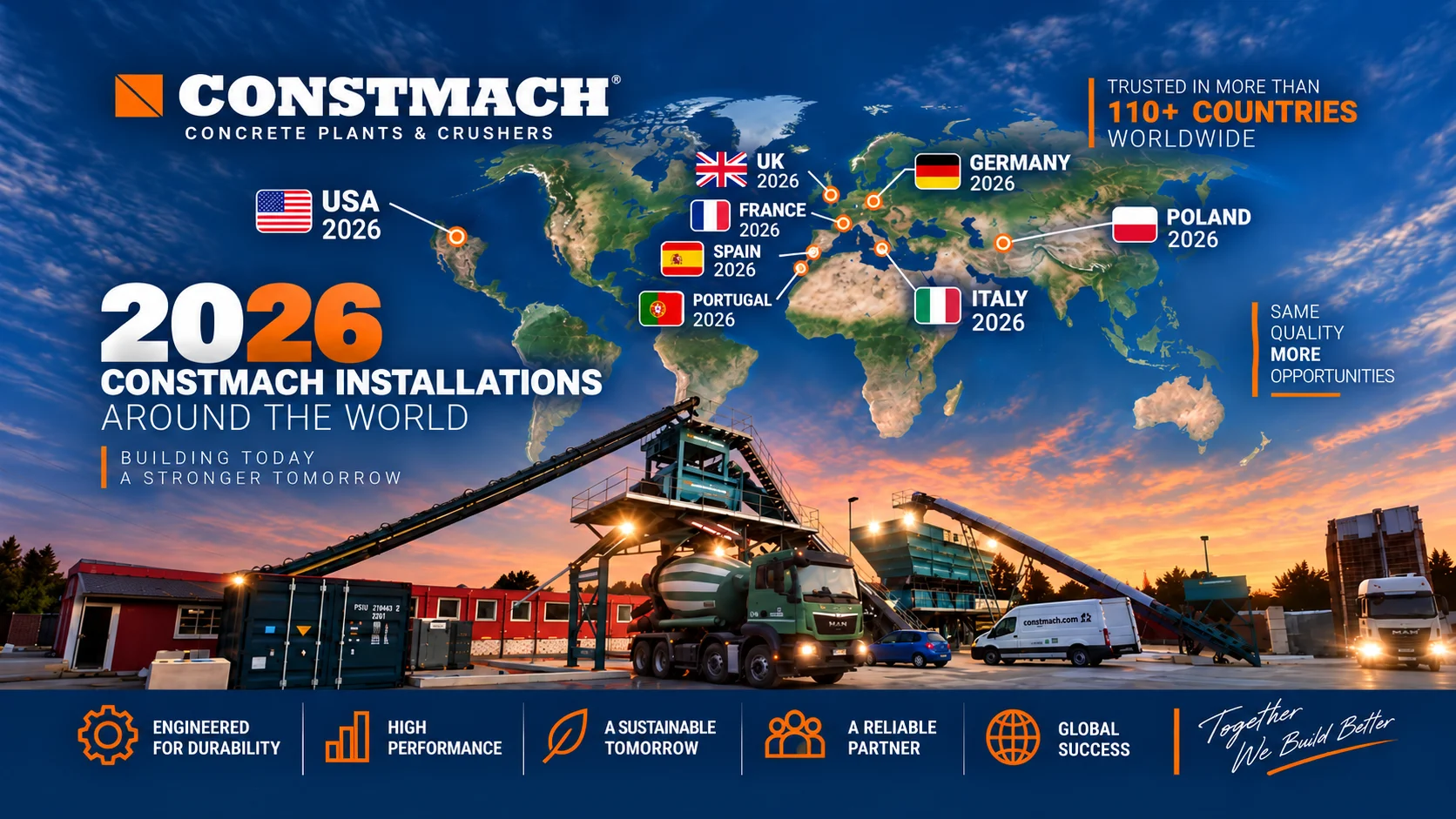
CONSTMACH Expands Its Global Presence with New Installations in 2026
2026 marks another important year for CONSTMACH as we continue to expand our international presence and deliver high-quality solutions to customers around the world. Throughout the year, customers fro…