Burkina Faso Acquires Advanced JC-2 Mobile Crushing Plant
 AuthorConstmachPublishedMarch 27, 2024
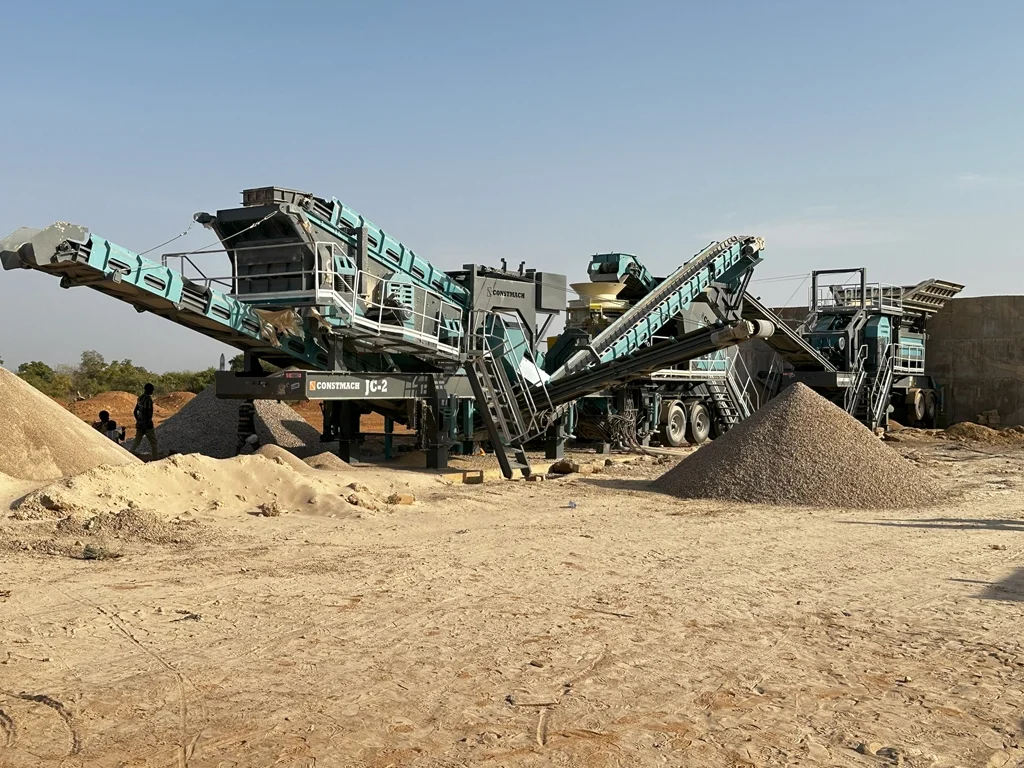
Constmach has supplied its JC-2 mobile crushing plant to a customer in Burkina Faso, supporting the modernisation of the country's mining and aggregates sector. Built around a two-chassis structure that combines primary and secondary crushing, the JC-2 gives operators a complete, relocatable crushing line capable of handling hard rock in the demanding conditions found across West Africa.
Two-Chassis Design for Flexibility
The defining feature of the JC-2 is its two-chassis layout, which splits the crushing process across two mobile units. This arrangement makes transport and positioning straightforward and lets the operator configure the plant to suit each site. For Burkina Faso, where mining activity is spread across several regions and access roads can be challenging, the ability to move the plant between locations is a clear operational advantage that keeps crushing close to the working face.
Jaw Crusher for Primary Reduction
The first chassis carries a robust jaw crusher, the workhorse of the primary crushing stage. It breaks down large run-of-mine rock into smaller, manageable pieces, preparing the feed for further processing. A reliable primary stage is essential to any crushing operation, and the jaw crusher's rugged design is well matched to the abrasive, hard material typical of Burkina Faso's mining sites.
Cone Crusher for Final Sizing
On the second chassis, a high-performance cone crusher refines the pre-crushed material to the required final specification. The cone crusher produces a well-shaped, consistently graded product suitable for aggregate and downstream mineral processing. Together, the jaw and cone stages form a complete two-step crushing circuit within a single mobile system.
120-150 Tons per Hour Capacity
The JC-2 delivers a production capacity of 120 to 150 tons per hour, giving the operator the output needed to keep mining and aggregate work running at an efficient pace. This throughput allows large volumes of material to be processed on site, improving productivity and reducing the cost of moving raw rock off site for crushing elsewhere.
Built for Demanding Conditions
Constmach has engineered the JC-2 for continuous, heavy-duty operation. Its strong construction withstands abrasive feed and the rigours of remote mining environments, while its mobility keeps the plant productive even as work shifts between sites. The result is a dependable machine suited to the realities of mining in Burkina Faso.
Advancing Industry in Burkina Faso
The arrival of the JC-2 reflects Burkina Faso's investment in advanced equipment to strengthen its mining and construction industries. By processing material on site rather than hauling it elsewhere, the operator can lower costs and shorten cycle times across its operations. Backed by Constmach's engineering and after-sales support, with technical guidance and spare-parts availability close at hand, the plant is set to play an important role in raising efficiency and supporting the country's wider economic development.
Constmach
Constmach | Concrete Plants & Crushers
The Constmach content team — sharing our 25+ years of manufacturing experience, industry trends, project cases and technical analyses with our readers.
- 25+ years of experience
- Asphalt Plant
- Cement Silo
- Concrete Block Making Machine
- Concrete Batching Plant
- Jaw Crusher
- Mobile Crushing Plant
- Mobile Concrete Batching Plant
- Stone Crusher
Other Articles You May Like
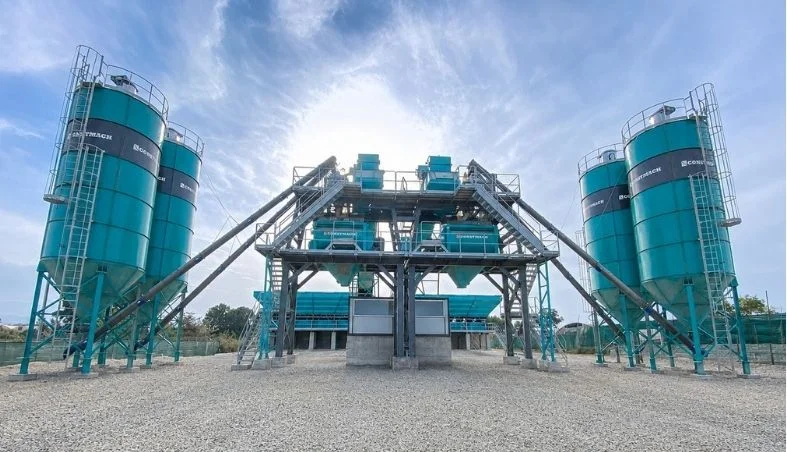
CONSTMACH Shipped 12 Concrete Batching Plants to Algeria in Just a Few Months, Including a 240 m³/h Stationary Plant
A new milestone has been added to CONSTMACH’s growing track record in Algeria with the successful delivery of another high-capacity concrete production solution. Our latest installation, a high-capaci…
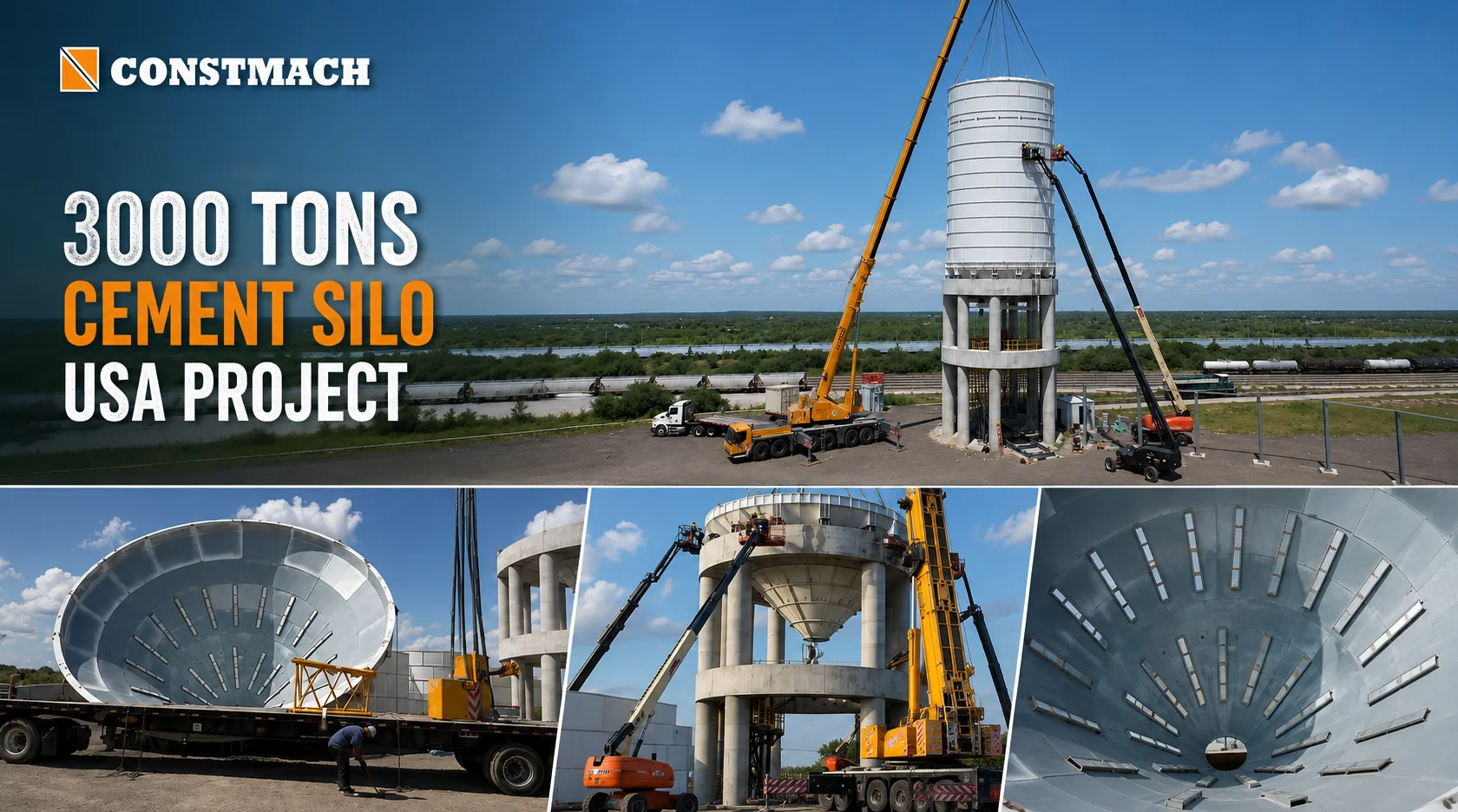
3000-Tons Cement Silo Project Taking Shape in the USA
CONSTMACH continues to strengthen its presence in international markets with another major project currently under installation in the United States. Our CS-3000 bolted-type cement silo, with an impre…
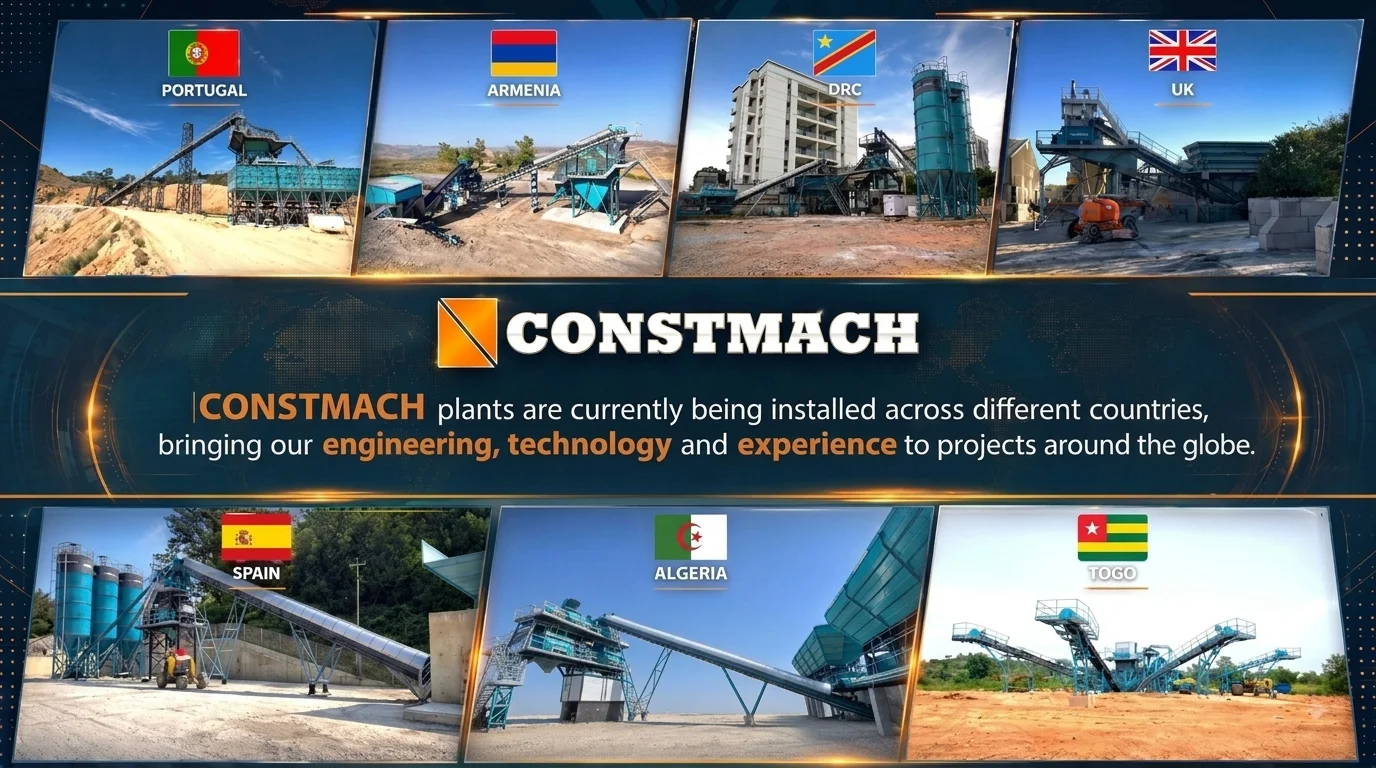
From Türkiye to the World: CONSTMACH Builds Success Across Borders
A new industrial investment begins with the right technology, strong engineering and a reliable partner. Today, CONSTMACH brings these values to projects in many different parts of the world. Our plan…