CONSTMACH 39-Ton Horizontal Cement Silo Now Operational in the UK
 AuthorConstmachPublishedAugust 11, 2025
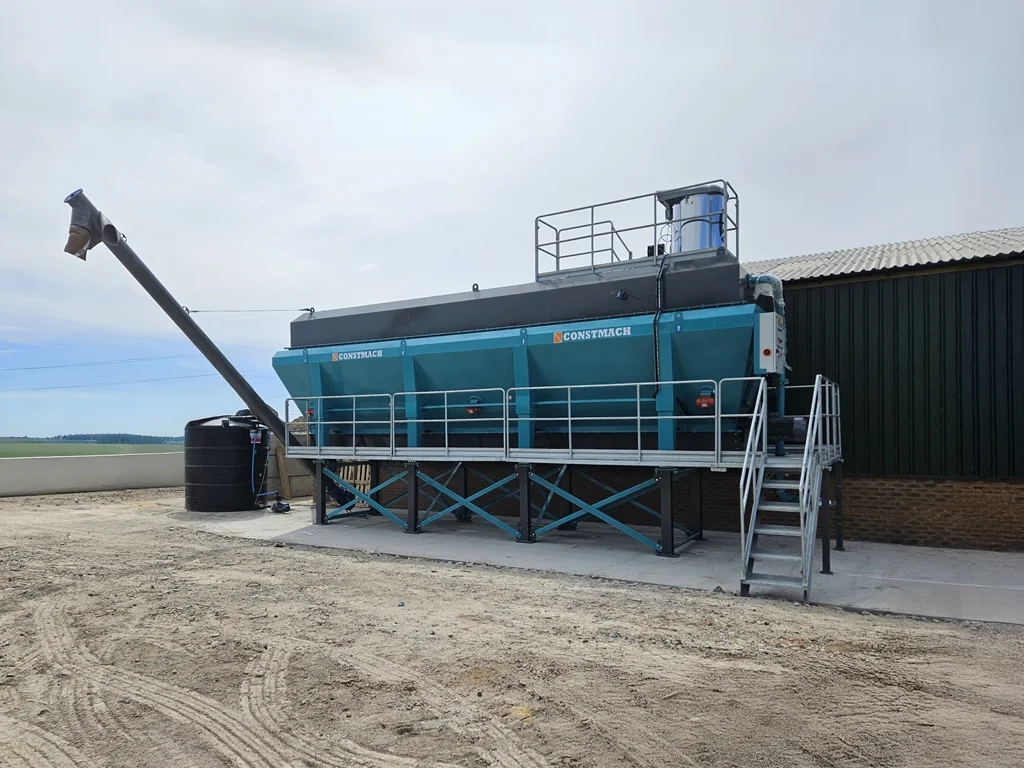
Constmach has successfully completed the installation of a horizontal cement silo in the United Kingdom, providing a tailored storage solution for a customer with specific site requirements. Unlike standard vertical silos, this model is designed as a low-height unit, making it ideal for locations where vertical clearance is limited or where logistical conditions call for a more compact storage arrangement.
A Low-Height Design
The defining feature of this silo is its horizontal, low-profile design. Where conventional vertical silos require considerable headroom, the horizontal configuration keeps the overall height to a minimum. This makes it particularly well suited to sites with height restrictions, indoor installations or locations near overhead obstructions, giving the UK customer a practical way to store cement where a tall silo would not be feasible.
39 Tonnes of Storage Capacity
With a storage capacity of 39 tonnes of cement, the silo offers ample on-site reserves to support continuous operation. Sufficient capacity allows the customer to keep production running through busy periods without relying on frequent deliveries, helping to smooth out supply and avoid interruptions. This balance of compact dimensions and useful capacity makes the unit both practical and efficient.
Efficient Cement Handling
Beyond storage, the horizontal silo is built to make cement handling straightforward and efficient. A well-designed silo ensures a steady, controlled flow of material to the batching or mixing equipment it serves, reducing waste and supporting consistent production. For the UK customer, this means reliable cement supply that helps maintain quality and keep operations running smoothly.
Easy Transport and Installation
The horizontal format also offers advantages in transport and installation. A low-height silo is generally simpler to move and position than a tall vertical unit, easing logistics on constrained or hard-to-access sites. This practicality helps reduce setup time and complexity, allowing the customer to bring the silo into service with minimal disruption to existing site operations.
Robust, Dependable Construction
Like all Constmach equipment, the silo is built for durability and long-term reliability. Robust construction ensures it can withstand continuous use and the demands of an active site, protecting the stored cement and providing dependable service over many years. This durability gives the customer confidence in a long-lasting, low-maintenance storage solution.
Tailored Solutions for the UK Market
This installation reflects Constmach's dedication to providing tailored solutions that meet the unique needs of customers across different markets. By offering specialised products such as the horizontal cement silo alongside its wider range, Constmach demonstrates the flexibility to address particular site challenges. The company aims to remain a dependable partner for UK customers seeking practical, high-quality equipment matched to their specific conditions.
Constmach
Constmach | Concrete Plants & Crushers
The Constmach content team — sharing our 25+ years of manufacturing experience, industry trends, project cases and technical analyses with our readers.
- 25+ years of experience
- Asphalt Plant
- Cement Silo
- Concrete Block Making Machine
- Concrete Batching Plant
- Jaw Crusher
- Mobile Crushing Plant
- Mobile Concrete Batching Plant
- Stone Crusher
Other Articles You May Like
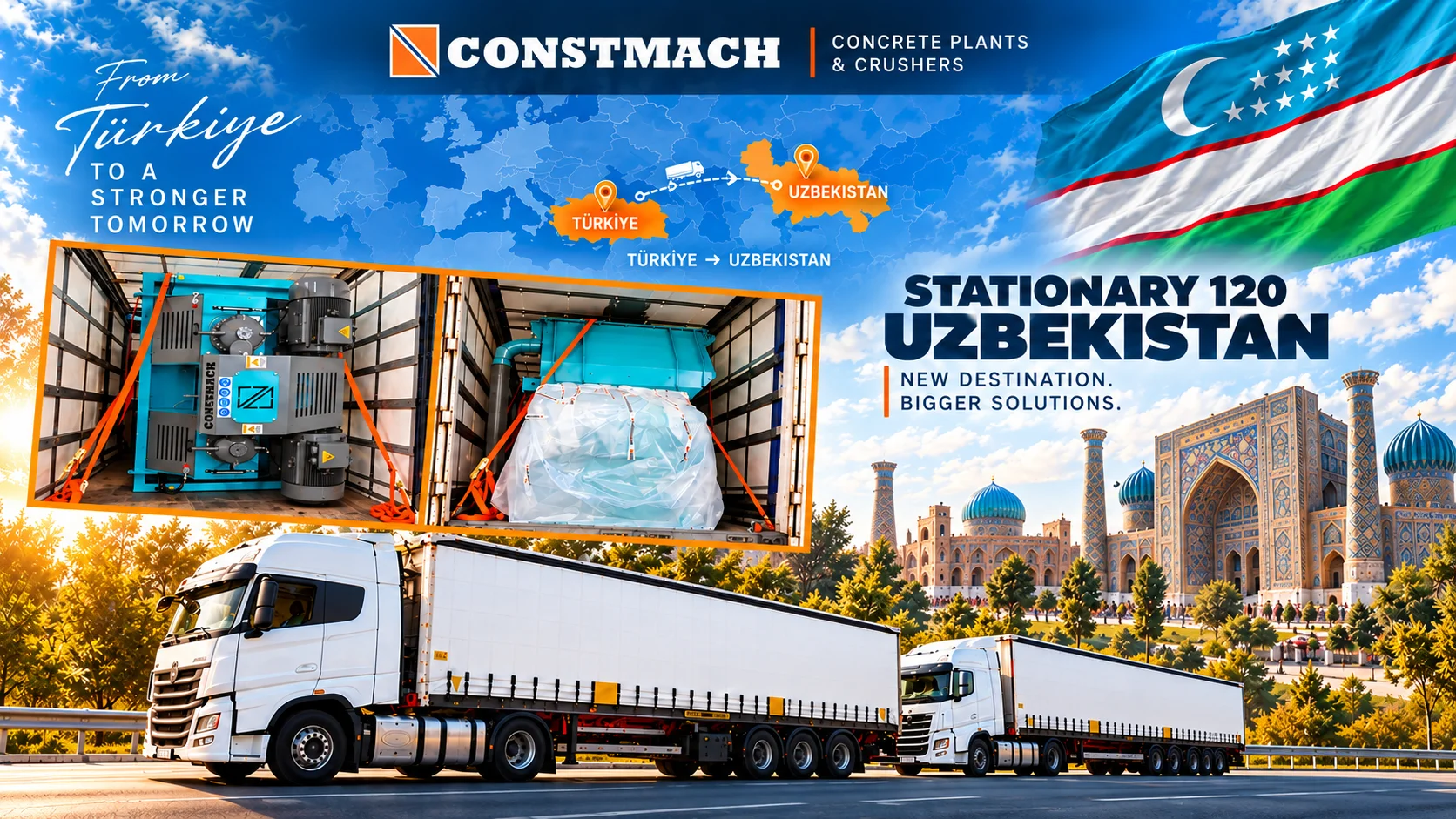
A New Country, A New Milestone: CONSTMACH Expands to Uzbekistan!
We are pleased to announce another important milestone in CONSTMACH’s international growth as Uzbekistan becomes the newest country to join our global network! We have received an order for 2 units of…
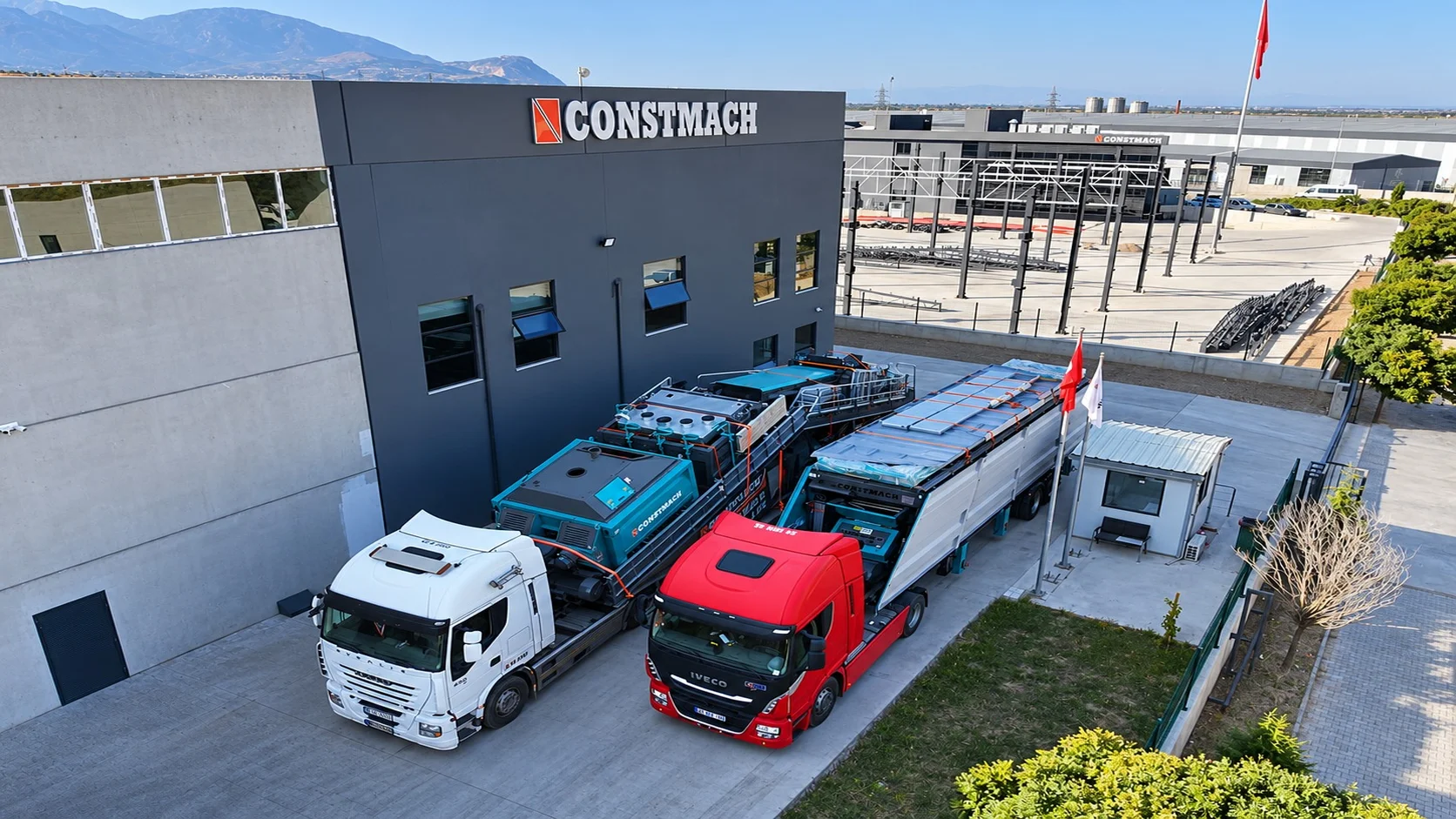
A Strong Partnership Continues: MOBILE 120 Shipment to Libya!
CONSTMACH continues to expand its strong presence in the Libyan market with the shipment of another MOBILE 120 Concrete Batching Plant, offering a production capacity of 120 m³/h. Over the years, we h…
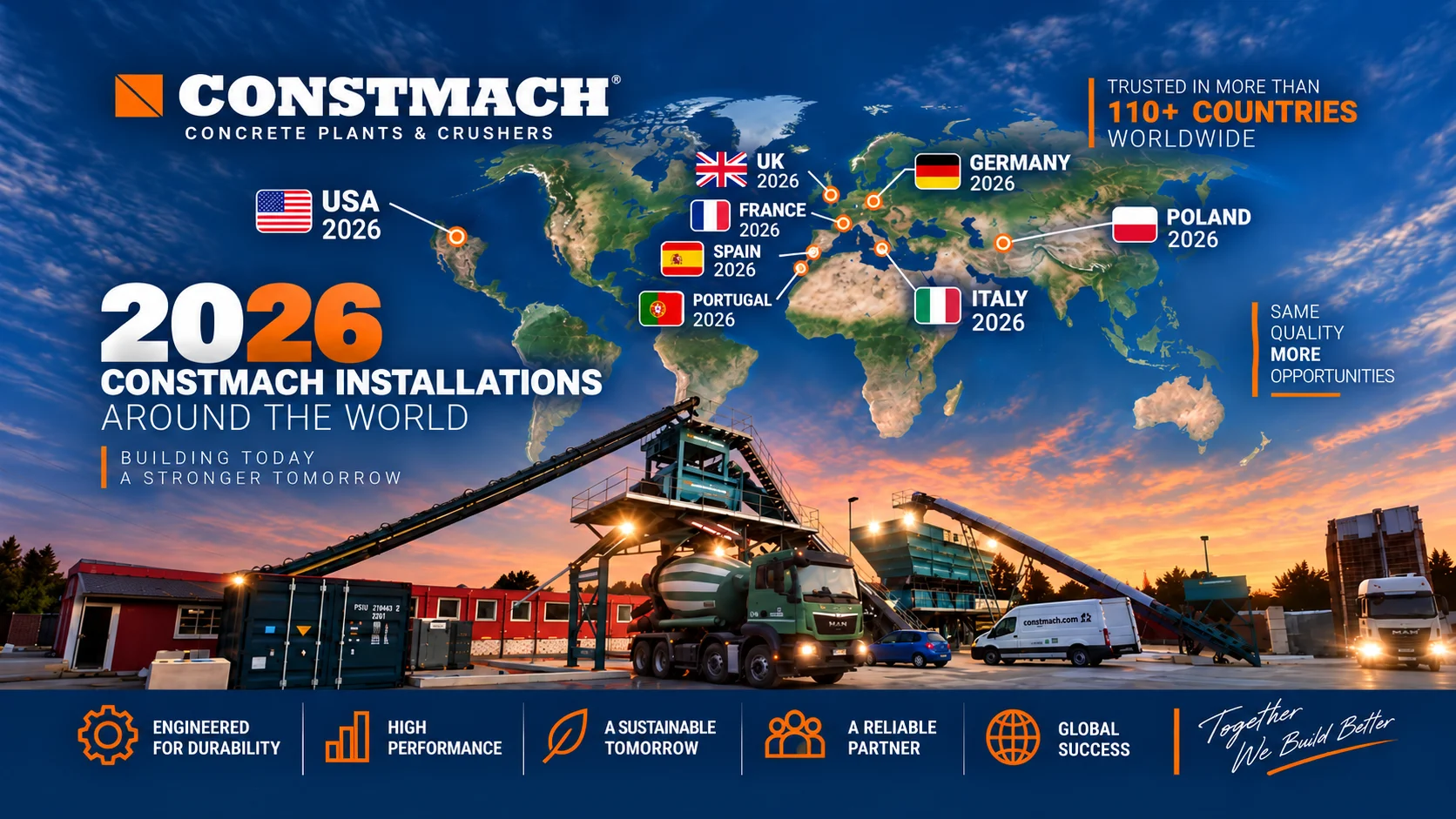
CONSTMACH Expands Its Global Presence with New Installations in 2026
2026 marks another important year for CONSTMACH as we continue to expand our international presence and deliver high-quality solutions to customers around the world. Throughout the year, customers fro…