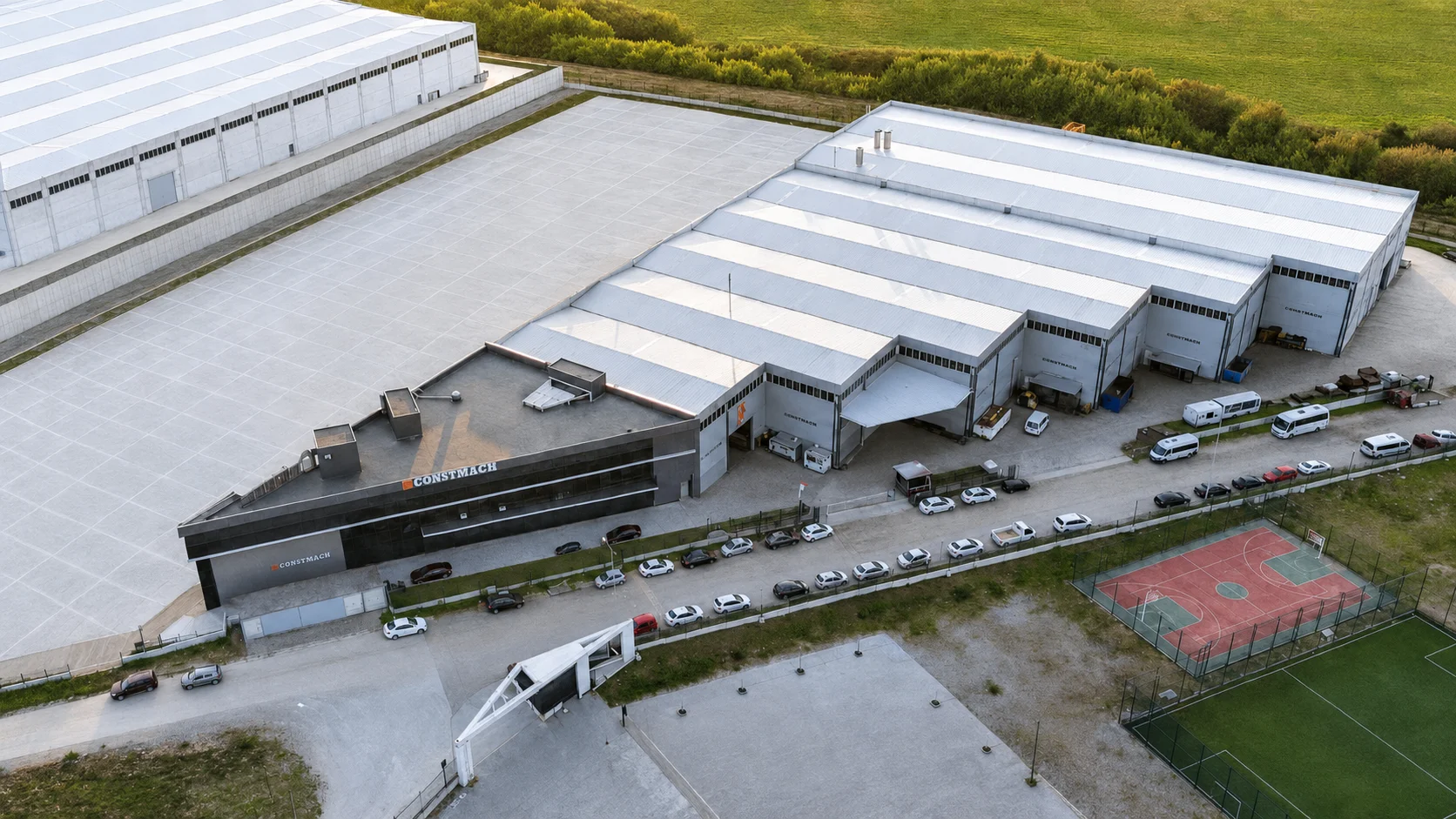
CONSTMACH 100-Tonne Cement Silo Shipped to Chile
 AuthorConstmachPublishedMarch 10, 2020
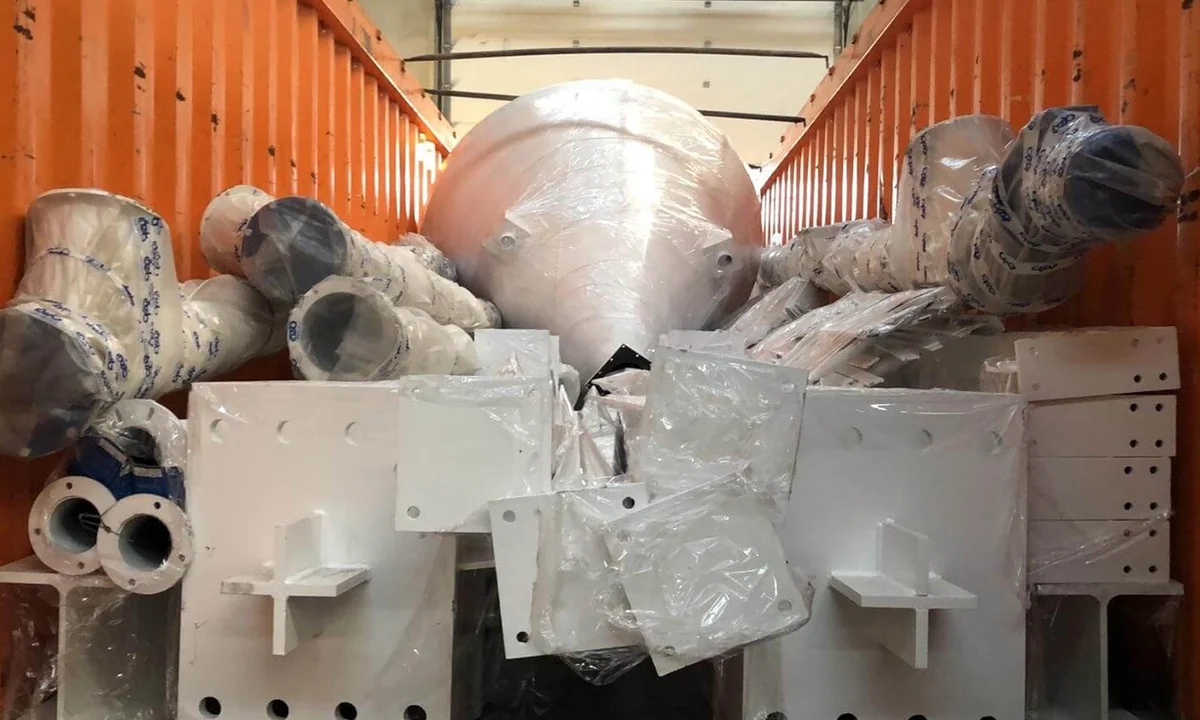
Constmach has shipped a 100-tonne capacity cement silo to a customer in Chile, supporting the operator's concrete production capabilities in South America. The silo is supplied complete with the equipment needed for safe, efficient cement storage and handling, and is due to be assembled on site by Constmach staff in the coming days.
100-Tonne Storage Capacity
The silo offers 100 tonnes of cement storage, giving the customer in Chile ample on-site capacity for continuous concrete production. Sufficient storage allows the operator to keep batching running through busy periods without frequent deliveries, supporting smooth and efficient operation. A silo of this size is well matched to medium and large-scale production demands.
Air Filter for Clean Operation
The unit is equipped with an air filter, an essential component for cement silos. As cement is pneumatically loaded into the silo, the filter captures airborne dust and releases clean air, preventing material loss and keeping the surrounding work area clean. This contributes to a safer, tidier site and helps the operator meet environmental expectations during loading.
Safety Valve for Pressure Protection
A safety valve is also fitted to the silo to protect against over-pressure and under-pressure during the filling process. Pressure relief of this kind is vital to the safe operation of a cement silo, guarding the structure against the stresses that can arise during pneumatic loading. The valve helps ensure the silo remains reliable and safe throughout its service life.
273 x 9,000 mm Screw Conveyor
The silo includes a 273 x 9,000 mm screw conveyor for transferring cement from storage to the batching process. The screw conveyor provides a controlled, dependable flow of material, ensuring a steady supply to the plant. Its dimensions are matched to the silo, supporting efficient discharge and consistent feeding during production.
On-Site Assembly by Constmach
Once the silo arrives in Chile, it will be assembled on site by Constmach staff. Professional installation ensures that the silo and its components are set up correctly and ready for safe, productive use. This hands-on support reflects Constmach's commitment to standing behind its equipment from delivery through to commissioning.
Strengthening Constmach in South America
This shipment underlines Constmach's reach into the South American market and its ability to supply complete, well-equipped storage solutions to customers worldwide. Delivering a silo with its filter, valve and screw conveyor as a coordinated package simplifies installation and helps the customer reach productive operation sooner. Backed by the company's engineering and after-sales support, the 100-tonne cement silo is set to serve the Chilean customer reliably for years to come.
Constmach
Constmach | Concrete Plants & Crushers
The Constmach content team — sharing our 25+ years of manufacturing experience, industry trends, project cases and technical analyses with our readers.
- 25+ years of experience
- Asphalt Plant
- Cement Silo
- Concrete Block Making Machine
- Concrete Batching Plant
- Jaw Crusher
- Mobile Crushing Plant
- Mobile Concrete Batching Plant
- Stone Crusher
Other Articles You May Like
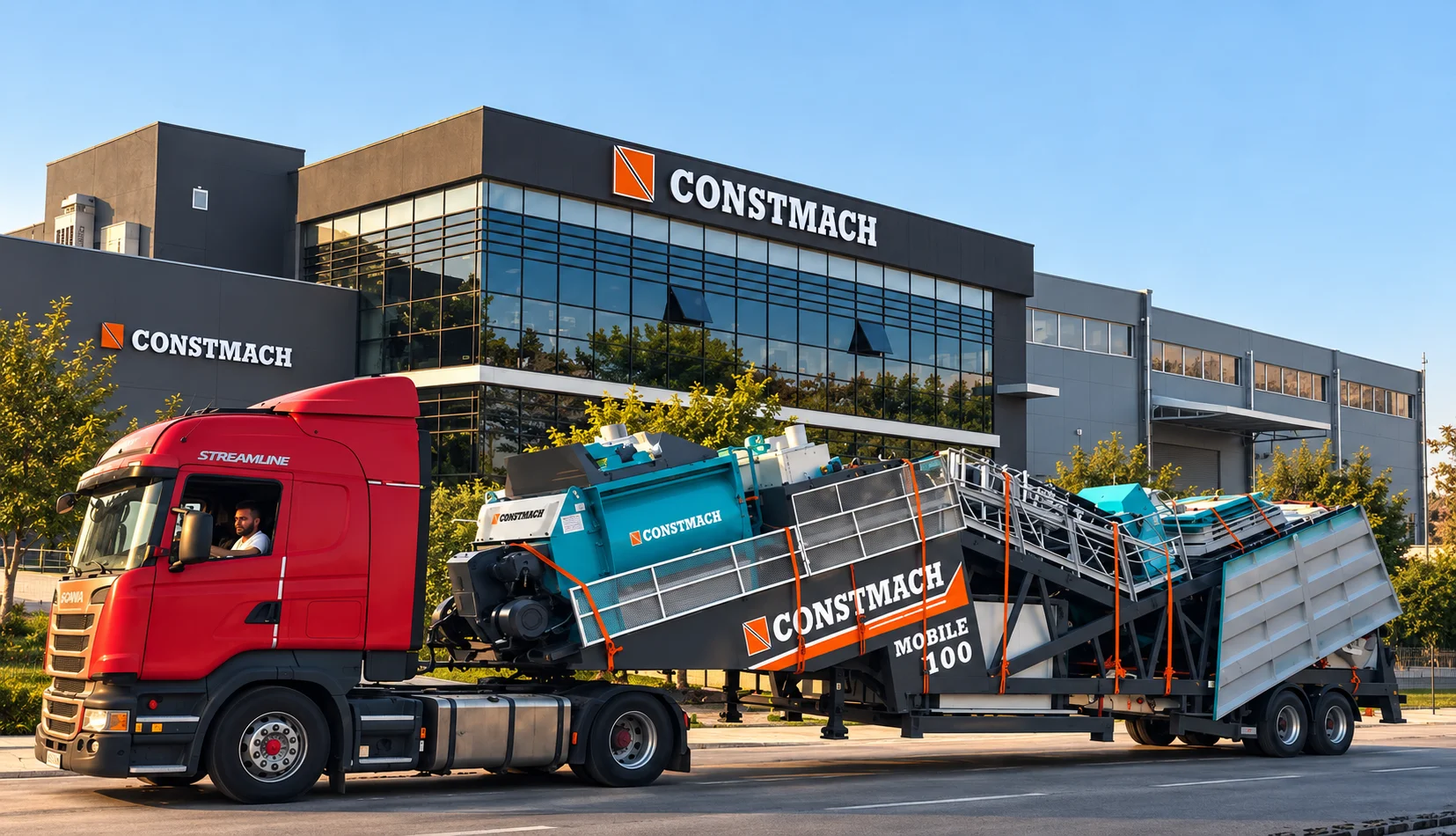
From CONSTMACH to Libya: MOBILE 100 CONCRETE BATCHING PLANT
CONSTMACH continues to strengthen its presence in Libya with another successful delivery. Our MOBILE 100 Concrete Batching Plant is now on its way to its new project, ready to provide efficient and re…
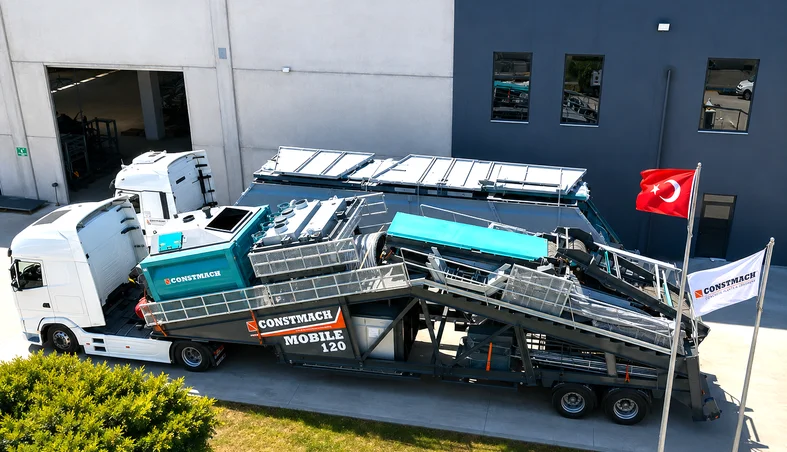
Another CONSTMACH Mobile 120 Begins Its Journey to Romania
Romania continues to be an important destination for CONSTMACH equipment. Following many successful deliveries to the country over the years, another Mobile 120 Concrete Batching Plant has now been pr…
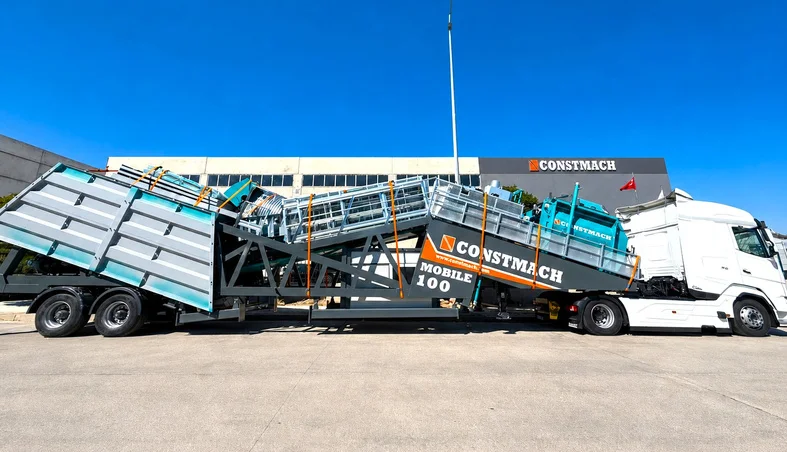
CONSTMACH Mobile 100 Concrete Batching Plant Shipped to Hungary
Another CONSTMACH plant is on its way to its new destination. Our Mobile 100 Concrete Batching Plant, with a production capacity of 100 m³/h, has been shipped from our facilities in Türkiye to Hungary…