What Is a Mobile Concrete Batching Plant? What Are Its Advantages and Uses?
A mobile concrete batching plant is a portable concrete production unit whose aggregate bins, weighing system, mixer, cement silo connection and controls are mounted on a single wheeled chassis. It can be towed to site as one load, set up on flat, solid ground without an engineered foundation, typically in 1 to 4 days, and produce fresh concrete where it is poured. Its main advantages are fast setup, lower concrete haulage and reuse across projects such as roads, dams and remote sites.
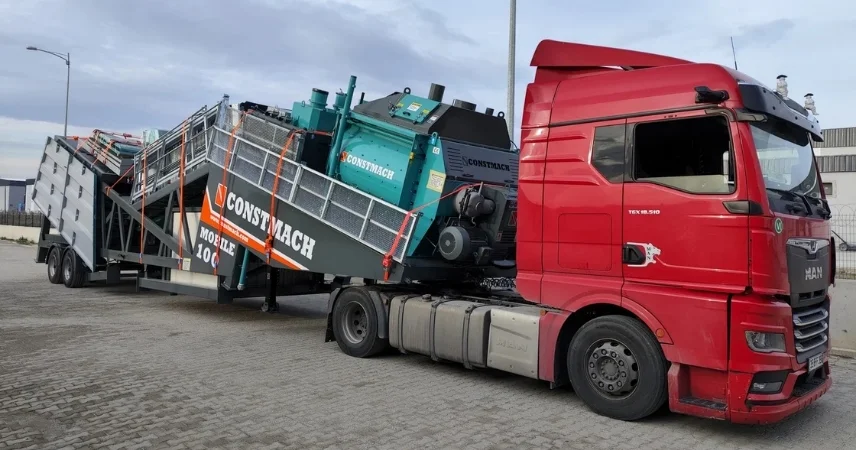
A mobile concrete batching plant brings the concrete factory to the job site instead of hauling concrete to it. The complete production line travels on wheels, sets up in days and starts producing fresh concrete exactly where it will be poured.
That portability has made the mobile class the default choice for road, dam and infrastructure contractors whose work keeps moving. Understanding what these plants are, how they reach a site, how quickly they start producing and where they fit best explains why so much of the world's project concrete now comes from them.
What Is a Mobile Concrete Batching Plant?
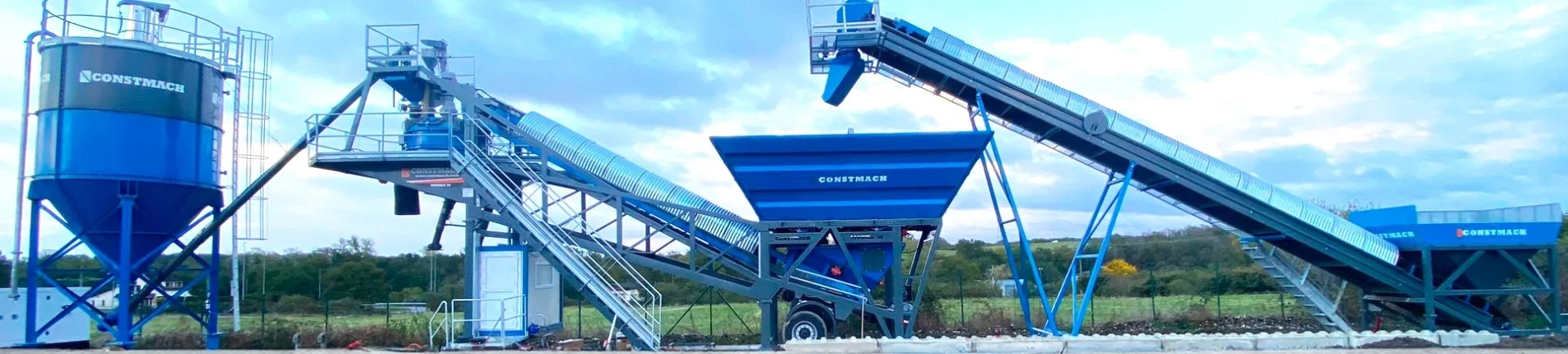
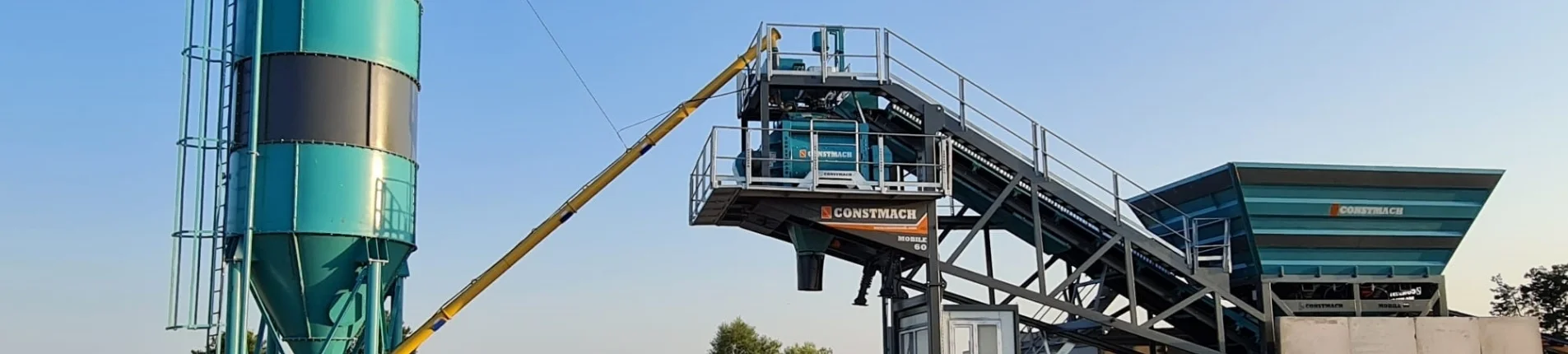
A mobile concrete batching plant is a portable concrete production unit whose aggregate bins, weighing system, mixer, cement silo connection, automation unit and control cabin are all mounted on a single wheeled chassis. It produces concrete exactly the way a stationary plant does; the difference is that the whole plant can be towed away and re-installed elsewhere.
The monoblock layout is what defines the class. Instead of separate structures spread across a site, every production unit sits on one main chassis engineered for road transport. Manufacturers typically offer mobile models from about 30 to 150 m³ of concrete per hour, which covers everything from small commercial pours to motorway sections.
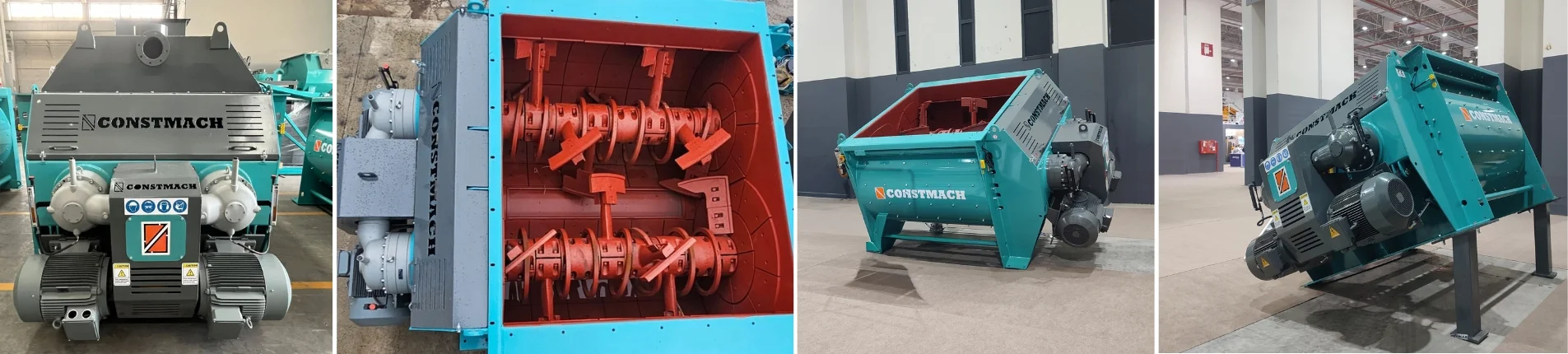
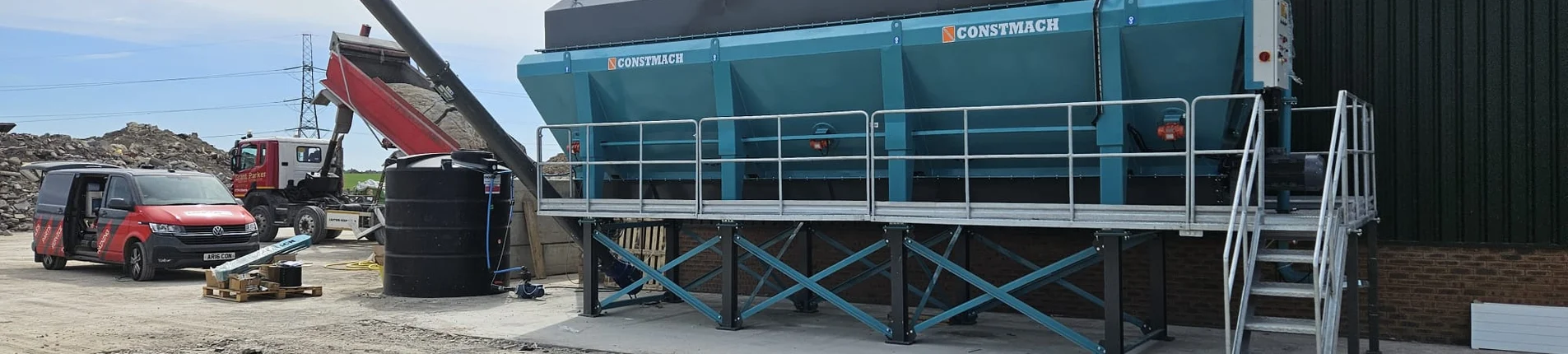
Component sizes scale with capacity. Aggregate bins are usually divided into 4 compartments, growing from around 6 m³ per compartment on the smallest units to 30 m³ on the largest, while mixer sizes run from about 0.5 m³ on a 30 m³/h plant up to roughly 3.5 m³ at the top of the class.
How Does a Mobile Batching Plant Produce Concrete on Site?
A mobile plant produces concrete in the same weighed-batch sequence as any batching plant: aggregates are loaded into the bins, each ingredient is weighed on load cells according to the mix design, everything is mixed until homogeneous, and the batch is discharged into a truck mixer or pump. The process is identical; only the frame underneath travels.
On site the flow runs in five steps. The plant is positioned and levelled on firm ground, a loader charges the aggregate compartments, the weighing system doses each material in turn, the mixer blends the batch, and the fresh concrete moves to the pour point within minutes of mixing.
Because the concrete is produced beside the pour, the mix can be adjusted on the spot. If the weather changes or a different workability is needed, the operator edits the recipe in the control system and the very next batch reflects it, with no waiting for a new delivery from a distant plant.
How Is a Mobile Concrete Batching Plant Transported?
The main chassis of a mobile batching plant travels as a single road-legal load behind a truck tractor. Cement silos, external conveyors and other accessories are transported separately and reinstalled at the new location.
Road-legal geometry is a deliberate design constraint: the folded plant respects standard height and width limits, so it moves on public roads without special escort in most countries. Built-in silos in the 60 m³/h class typically hold about 23 to 36 tonnes of cement on the chassis itself, while external silo options grow from roughly 50 to 500 tonnes as capacity rises.
Silos travel separately for a simple reason: an erected silo is far too tall for road transport, and its stored cement would make the load overweight. On moving day the silo is emptied, lowered and loaded first, the main chassis folds its conveyors and legs, and the convoy leaves in the order it will be needed at the destination.
At the small end of the class, the most compact units can even ship inside a single 40-foot container, which makes overseas relocation practical. A prefeeding conveyor is a common accessory that removes the need for a loading ramp where site space is tight.
How Long Does It Take to Set up a Mobile Batching Plant?
Typical installation time for a mobile concrete batching plant is 1 to 4 days depending on model, size and site readiness, and small trailer-type units can be operational within hours. No engineered concrete foundation is required; flat, solid ground that carries the plant's weight is enough.
The speed comes from factory pre-assembly. Electrical, water and pneumatic lines arrive pre-wired and pre-plumbed, so site work is limited to positioning, levelling, erecting the silo, connecting power and water, and calibrating the scales and water meters before the first batch.
Some manufacturers offer self-erecting designs that go further: the silo is raised hydraulically in under five minutes, no crane is needed at any point, and a two-person crew can set the entire plant up in less than an hour. Hydraulic jacks level the chassis on arrival, after which only the water and cement connections remain.
Commissioning always ends the same way regardless of design: a weighing check confirms the load cells read true, the water meters are calibrated against actual flow, and each aggregate compartment is verified against its material. Skipping that half day of checks is how a fast installation turns into a week of off-spec batches.
What Are the Advantages of a Mobile Concrete Batching Plant?
The advantages of a mobile concrete batching plant all flow from one fact: production happens at the pour, not kilometres away. The main benefits are:
- Fast installation and commissioning: production typically starts within 1 to 4 days of the plant arriving, not weeks.
- No engineered foundation: flat, load-bearing ground replaces cured concrete foundations, saving both time and civil works.
- Single-load transport: the main unit tows as one road-legal load, which keeps relocation logistics simple and predictable.
- Fresh concrete at the pour: short distances between mixer and formwork protect workability and cut the risk of rejected loads.
- Instant mix adjustments: recipes are changed in the control system on site, so the next batch matches new weather or specification demands.
- Reusable across projects: the same plant follows the contractor from job to job for years, spreading its cost over many sites.
- Compact footprint: the single-chassis layout fits confined and urban sites where a spread-out installation would not.
- Less truck traffic: producing beside the pour shortens haul distances, which reduces fuel use, vehicle wear and site emissions.
On linear projects the mobility advantage compounds. A motorway contractor can produce at one end of a section, pour progressively, then move the plant forward along the route and keep haul distances short for the entire project.
What Are the Limitations of a Mobile Batching Plant?
Mobile batching plants generally offer lower maximum output than stationary installations, and they depend on level ground, a reliable power connection and a clean water supply at every new location. Moving day itself also costs crew time for dismantling, transport and recommissioning.
Terrain is the other practical limit. Towing a plant over rough or steep ground is slow and sometimes impossible, so site access needs checking before the move rather than after. Output quality remains as good as the inputs: aggregate gradation has to be right and cement must stay protected from moisture, exactly as at any plant.
Where Are Mobile Concrete Batching Plants Used?
Mobile concrete batching plants are used on road and bridge construction, dam projects, mass housing programmes, remote or hard-to-reach sites, temporary and phased works, and multi-site operations including rental fleets. The common thread is work that moves or ends.
Roadworks are the signature application. Paving advances kilometre by kilometre, and a plant that relocates along the route keeps fresh concrete minutes from the paver at every stage. Dams and large earthworks use the same logic in one place: enormous volume for a few years, then the site closes and the plant leaves.
Remote projects rely on the class for a different reason. Where the nearest ready-mix plant is hours away, transit time would cost the concrete its workability, so producing on site is the only dependable option. Mining facilities, wind farms and border infrastructure fall into this group.
Temporary and phased works make up a quieter but steady share of the market. A stadium, a port expansion or a plant built in stages needs concrete intensively for a defined period; a mobile unit produces through that window and leaves when the phase ends, without a permanent installation standing idle afterwards.
Rental fleets and multi-project contractors round out the picture. A plant that installs in days and tows as one load can serve several customers or projects in a single year, which is precisely why plant-hire companies standardise on the mobile class. When a project is long, high-volume and fixed in one place, a stationary plant serves it better; everywhere the work moves, the mobile plant has become the standard answer.
Questions About This Topic

Constmach
Constmach | Concrete Plants & Crushers
The Constmach content team — sharing our 25+ years of manufacturing experience, industry trends, project cases and technical analyses with our readers.
- 25+ years of experience
- Asphalt Plant
- Cement Silo
- Concrete Block Making Machine
- Concrete Batching Plant
- Jaw Crusher
- Mobile Crushing Plant
- Mobile Concrete Batching Plant
- Stone Crusher
Other Articles You May Like
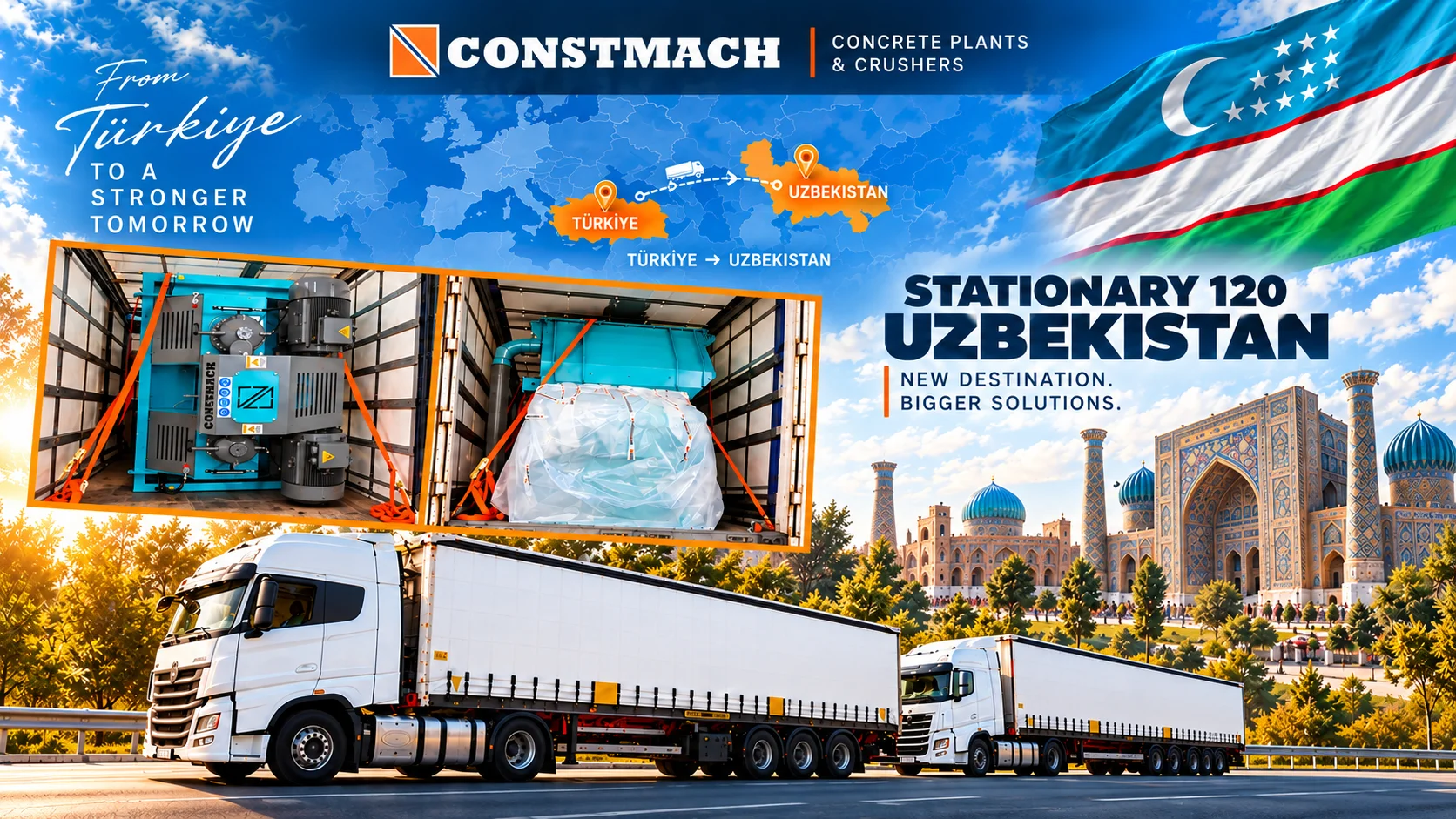
A New Country, A New Milestone: CONSTMACH Expands to Uzbekistan!
We are pleased to announce another important milestone in CONSTMACH’s international growth as Uzbekistan becomes the newest country to join our global network! We have received an order for 2 units of…
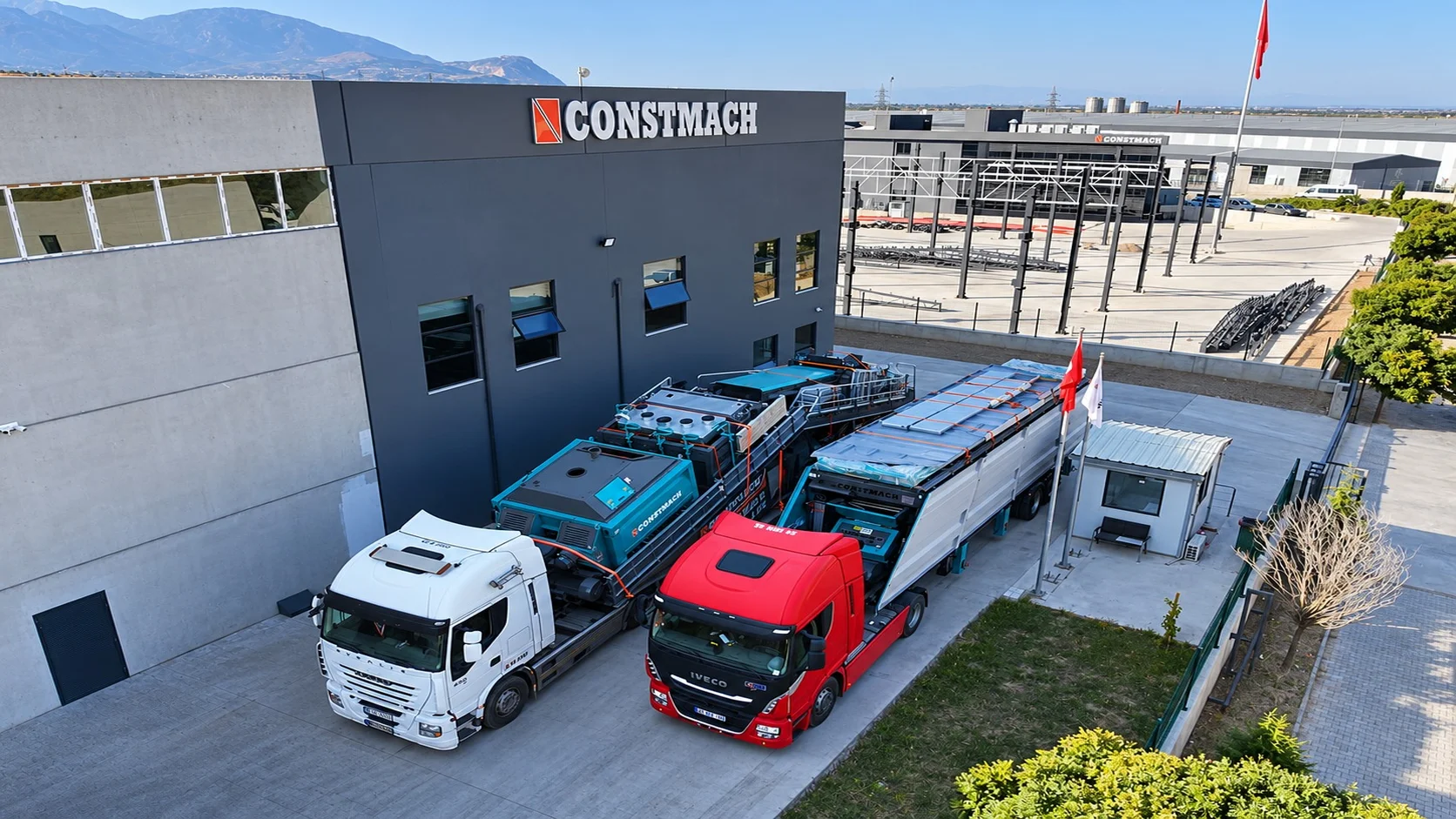
A Strong Partnership Continues: MOBILE 120 Shipment to Libya!
CONSTMACH continues to expand its strong presence in the Libyan market with the shipment of another MOBILE 120 Concrete Batching Plant, offering a production capacity of 120 m³/h. Over the years, we h…
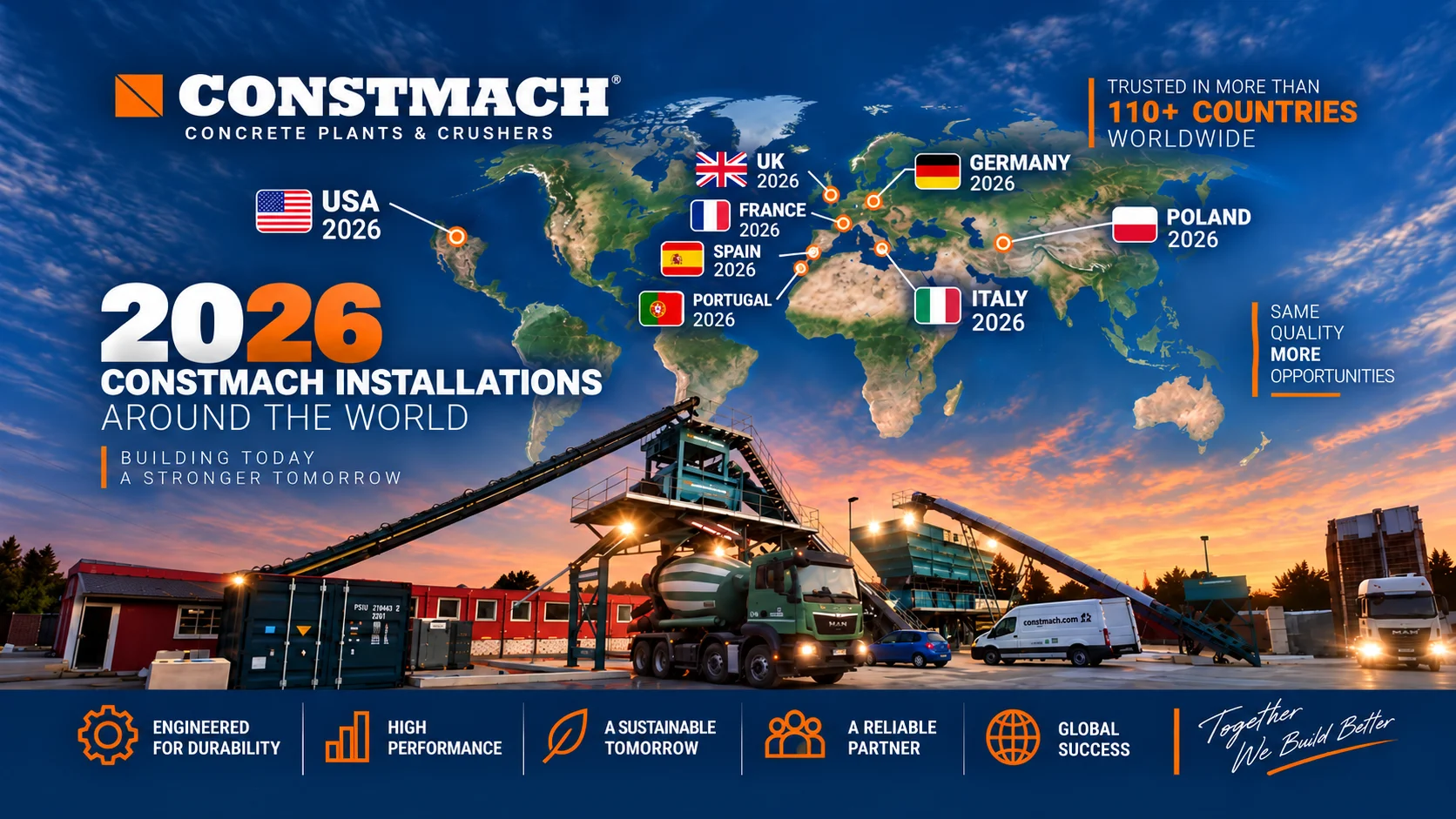
CONSTMACH Expands Its Global Presence with New Installations in 2026
2026 marks another important year for CONSTMACH as we continue to expand our international presence and deliver high-quality solutions to customers around the world. Throughout the year, customers fro…