What Are the Components of an Asphalt Plant? What Do They Do?
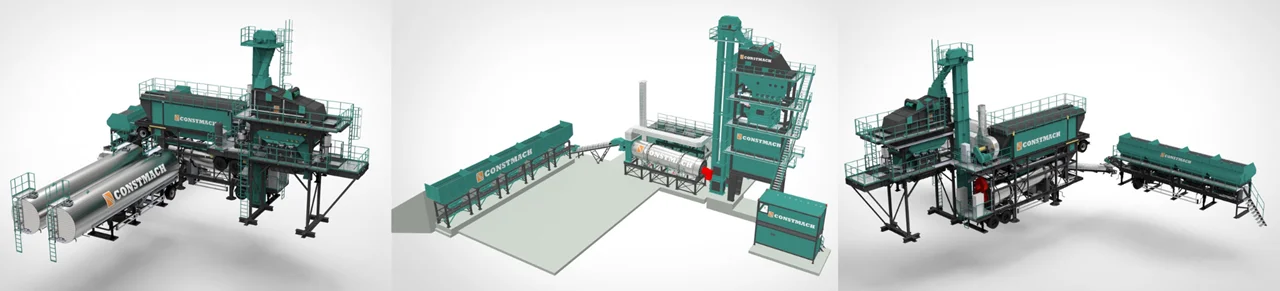
An asphalt plant consists of cold feed bins that dose the aggregate, a burner-fired drying drum that dries and heats it, a hot elevator and screen that lift and separate the hot material, weigh hoppers and a twin-shaft mixer that blend it with bitumen and mineral filler, heated bitumen tanks and a filler silo that supply those binders, a baghouse that captures dust, a storage silo that holds the finished mix, and a control cabin that manages the whole plant.
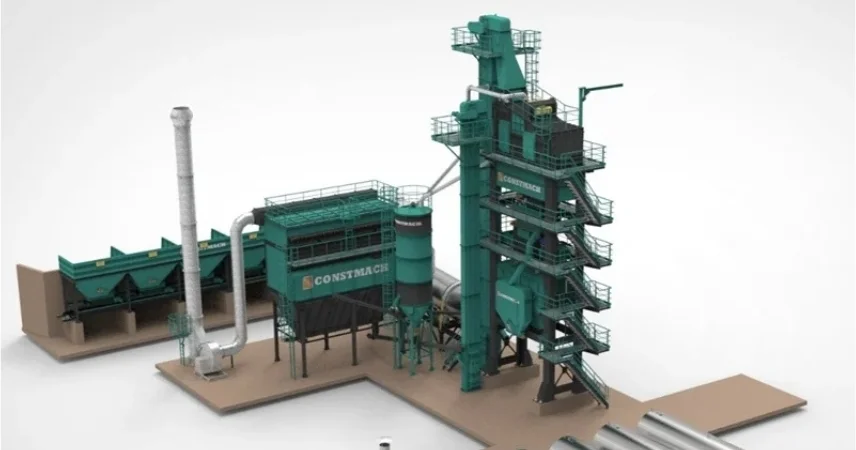
An asphalt plant is really a team of a dozen machines working as one. Aggregate handling, heat, weighing, mixing, binder supply, dust control and automation each live in their own component, and the finished pavement is only as good as the weakest of them.
Knowing what each component does pays off twice: it makes plant specifications readable, and it turns troubleshooting from guesswork into a short checklist. The tour below follows the material, from the cold feed bins where raw aggregate enters to the control cabin that supervises it all.
Which Components Make up an Asphalt Plant?
A complete asphalt plant combines twelve core components, each with one clear job:
- Cold feed bins and feeders: dose raw aggregate by size before anything is heated.
- Collecting conveyor: carries the dosed aggregate to the dryer.
- Drying drum: removes moisture and heats the aggregate to working temperature.
- Burner: supplies the heat that the drying drum applies.
- Hot elevator: lifts the hot aggregate to the top of the mixing tower.
- Screening unit: separates the hot aggregate into size fractions.
- Hot bins: hold each fraction separately without losing temperature.
- Weigh hoppers: weigh aggregate, bitumen and filler to the recipe.
- Mixer (twin-shaft pugmill): blends everything into the finished mix.
- Bitumen tanks: store the binder and keep it hot and pumpable.
- Filler silo: stores and doses the mineral filler.
- Dust collection, storage silo and control cabin: capture dust, hold finished mix and run the plant.
This component set describes the tower-style batch configuration, the most complete layout a plant can have. The sections below take the components group by group, in the order the material meets them.
Which Components Prepare the Aggregate?
What Do the Cold Feed Bins Do?
Cold feed bins are where production actually starts. Each bin holds one aggregate size, and a variable-speed belt feeder under each bin releases it in the rough proportion the recipe demands onto a shared collecting conveyor.
The dosing here is deliberate rather than precise; exact weighing happens later in the tower. What the cold feed controls is balance. If one bin starves or floods, every downstream component receives a blend the recipe never intended, which is why feeder calibration is treated as a production task, not maintenance.
What Does the Drying Drum Do?
The drying drum removes the moisture that raw aggregate always carries and heats the stone to its working temperature, typically around 150 to 180°C. It is a long rotating cylinder set against the flow of hot gas from the burner.
Inside, rows of lifter flights scoop the aggregate and shower it through the gas stream as the drum turns, so every particle passes through the heat again and again. Wet or poorly dried aggregate cannot bond with bitumen, which makes the drum the single most consequential component for mix quality.
What Does the Burner Do?
The burner is the plant's engine room: it produces the flame and hot gas that the drying drum applies to the aggregate. Burners are built for natural gas, fuel oil, coal or dual-fuel operation, and the choice usually follows whatever energy source is dependable and affordable where the plant operates.
Burner tuning has a direct line to operating cost. Heating the aggregate is the largest energy consumer in the entire plant, so a burner matched to its fuel and adjusted to its drum burns measurably less per tonne of mix.
What Does the Hot Elevator Do?
The hot elevator carries the dried, heated aggregate from the drum discharge up to the screening deck at the top of the tower. It is a chain of enclosed buckets, and the enclosure is functional: it shields the hot material from wind and rain and limits heat loss on the way up.
Its capacity is matched to the drum's output, because an elevator that lags turns into a bottleneck for the whole tower above it.
What Does the Screening Unit Do?
At the top of the tower, a vibrating screen separates the hot aggregate back into defined size fractions and rejects oversize particles before they can enter the mix. This re-screening matters because handling and heating always shift the blend slightly; the screen restores order just before the weighing that depends on it. The screen is typically a multi-deck unit, and how vibrating screens themselves work is a subject of its own.
Which Components Weigh and Mix the Materials?
What Do the Hot Bins Do?
Directly under the screen, the hot bins hold each aggregate fraction in its own compartment, still at full temperature, waiting to be weighed. They are the tower's working inventory.
The buffer they provide is what lets a batch plant change recipes quickly: the fractions sit ready, and the next batch simply draws different amounts from each compartment. Without hot bins there would be nothing for the weighing system to compose from.
What Do the Weigh Hoppers Do?
The weigh hoppers turn the recipe into reality. Aggregate fractions, bitumen and mineral filler are each weighed in separate hoppers on high-precision load cells, batch by batch, before entering the mixer together.
Separate weighing is the feature to notice. Because each material has its own hopper and its own record, every batch becomes a documented quality event, and a drift in any one material shows up immediately rather than hiding inside a combined total.
What Does the Mixer (Pugmill) Do?
The mixer is where asphalt is finally made. Twin horizontal shafts fitted with paddles counter-rotate through the batch, forcing aggregate, bitumen and filler into a homogeneous, fully coated mix in a matter of seconds.
The twin-shaft pugmill design dominates because it mixes by compulsion rather than gravity: material cannot ride along uncoated, since the paddle paths overlap and push it through the binder film repeatedly. Uniform coating here decides how the pavement will age for years.
Which Components Supply the Bitumen and Filler?
What Do the Bitumen Tanks Do?
Bitumen tanks store the binder and keep it liquid at roughly 150 to 170°C until the moment it is weighed. The tanks are insulated and heated by a thermal oil system: a hot-oil boiler warms circulating oil, and pipe coils carry that heat through the stored bitumen without ever exposing it to a flame.
Indirect heating is the point of the design. Bitumen that overheats locally ages and hardens, so the gentle, even heat of thermal oil protects the binder's quality along with the plant's safety.
What Does the Filler Silo Do?
The filler silo stores the mineral dust that completes the mix and doses it to the weighing system through a screw conveyor. Many plants run two filler streams: fresh filler bought for the purpose, and reclaimed filler returned from the plant's own dust collection.
Filler is easy to underestimate and hard to forgive. It stiffens the binder and fills the finest voids, and because the quantities are small, the silo's dosing accuracy matters more than its storage volume.
Which Components Manage Dust, Storage and Control?
What Does the Dust Collection System (Baghouse) Do?
The dust collection system captures the fine particles that the dryer's exhaust stream carries away, keeping them out of the air and out of the neighbourhood's sight. Collection typically runs in two stages: a cyclone or gravity pre-separator drops the coarser dust, and a baghouse of fabric filters traps the fines.
What the baghouse catches is not waste. The recovered fines can return to the mix as reclaimed filler, closing a loop that serves both the environmental permit and the material budget. On a modern plant the baghouse is as decisive for where the plant may operate as any production component.
What Does the Hot Mix Storage Silo Do?
The finished mix leaves the mixer either straight into a truck or up into an insulated storage silo. The silo separates production from logistics: the plant can keep producing while trucks queue, and trucks can load in minutes without waiting for a batch.
Insulation keeps the stored mix inside its workable temperature range, which is what makes early-morning paving starts possible: the silo is filled ahead, and the first trucks load before the plant has produced its first batch of the day.
What Does the Control Cabin Do?
The control cabin runs the entire plant from one seat. A PLC-based system executes the recipes, drives the feeders and weighers, monitors every temperature and records every batch as it happens.
The operator's screen is the plant's honest witness. Weighing logs, temperature trends and alarm histories all live here, so both quality audits and fault diagnosis start in the cabin rather than out on the steel. In practice the control system is what turns a collection of machines into a plant.
Questions About This Topic

Constmach
Constmach | Concrete Plants & Crushers
The Constmach content team — sharing our 25+ years of manufacturing experience, industry trends, project cases and technical analyses with our readers.
- 25+ years of experience
- Asphalt Plant
- Cement Silo
- Concrete Block Making Machine
- Concrete Batching Plant
- Jaw Crusher
- Mobile Crushing Plant
- Mobile Concrete Batching Plant
- Stone Crusher
Other Articles You May Like

A New Country, A New Milestone: CONSTMACH Expands to Uzbekistan!
We are pleased to announce another important milestone in CONSTMACH’s international growth as Uzbekistan becomes the newest country to join our global network! We have received an order for 2 units of…
A Strong Partnership Continues: MOBILE 120 Shipment to Libya!
CONSTMACH continues to expand its strong presence in the Libyan market with the shipment of another MOBILE 120 Concrete Batching Plant, offering a production capacity of 120 m³/h. Over the years, we h…

CONSTMACH Expands Its Global Presence with New Installations in 2026
2026 marks another important year for CONSTMACH as we continue to expand our international presence and deliver high-quality solutions to customers around the world. Throughout the year, customers fro…